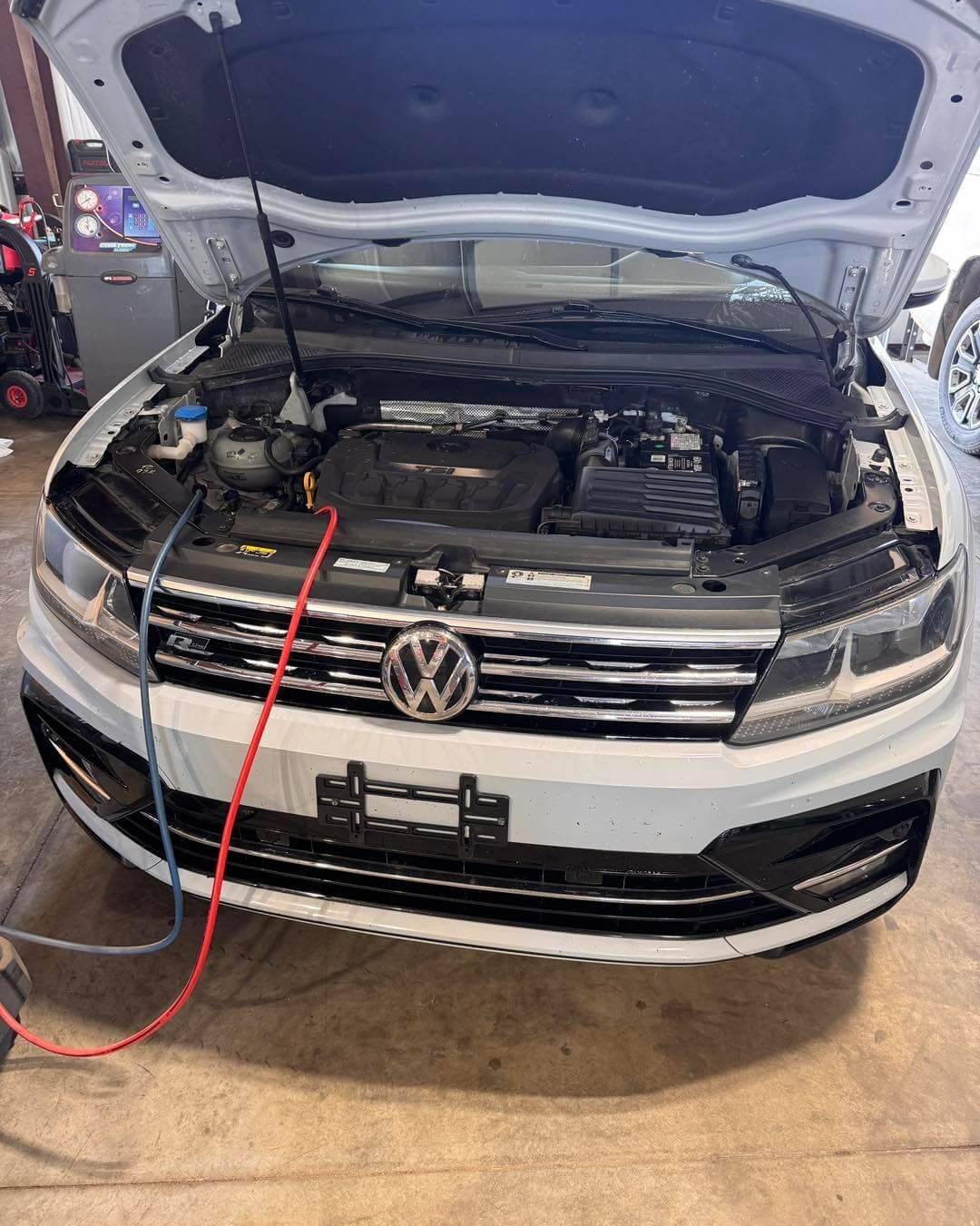
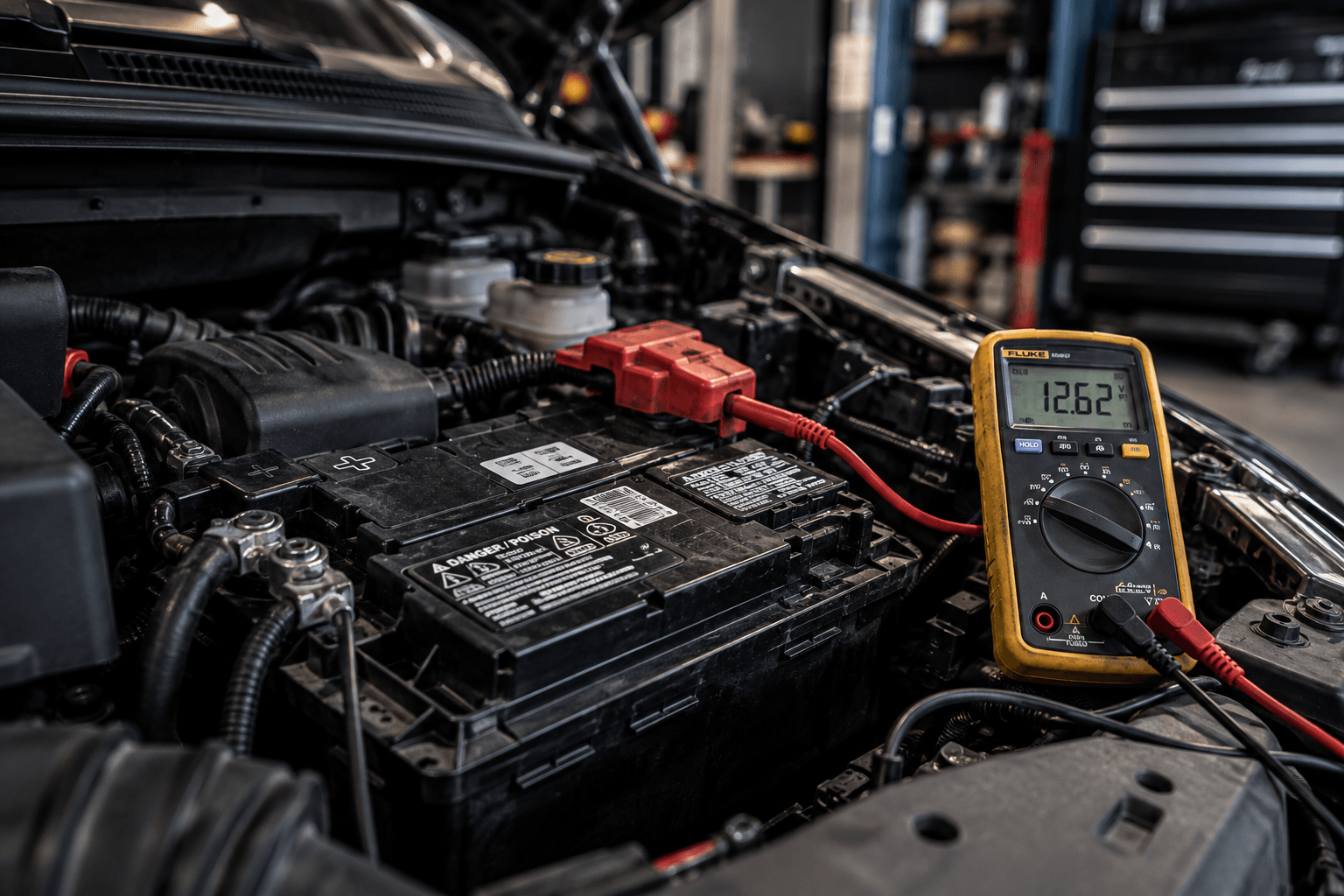
It's 28 degrees outside, you're late for work, and your car is blowing air cold enough to store groceries.
Kansas winter has officially entered the conversation.
Why Is My Car Heater Blowing Cold Air?
The short answer: Low coolant, a thermostat problem, restricted heater-core flow, or a failed blend door are common reasons a gasoline-powered vehicle's heater may blow cold air. Some vehicles also experience electrical or climate-control system faults.
The specific cause depends on your vehicle and its symptoms. A heater that works while driving but turns cold at idle may require a different diagnostic approach than one that blows cold air all the time.
Important: If the loss of heat accompanies engine overheating, coolant loss, or a temperature warning, stop driving when safe. A cooling-system problem could cause serious engine damage.
First, How Does Your Car Heater Actually Work?
On most gasoline-powered vehicles, the heater uses heat generated by the engine.
Hot engine coolant travels through a small heat exchanger called the heater core. The blower moves air across it, and the HVAC system directs that warmed air into the cabin.
If coolant isn't circulating correctly, the engine isn't reaching normal temperature, or the HVAC controls aren't directing air properly, your heater may stop doing its job.
Simple enough in theory. Sometimes considerably less simple in practice.
1. Low Coolant or Air in the Cooling System
What you might notice: Heat that comes and goes, weak heat at idle, a low coolant warning, or an engine temperature gauge that behaves unusually.
Possible causes: Low coolant can interrupt circulation through the heater core. Trapped air can also affect coolant flow.
A leaking hose, radiator, water pump, reservoir, heater core, or another cooling-system component may be responsible for the coolant loss.
Why it matters: Coolant doesn't normally disappear for no reason. Repeatedly adding coolant without finding the cause can allow a larger problem to develop.
2. A Thermostat That's Stuck Open
What you might notice: The engine takes forever to warm up, the temperature gauge stays unusually low, or the heater blows lukewarm air.
Possible cause: A thermostat stuck open can prevent the engine from reaching normal operating temperature, particularly in cold weather.
Without sufficient engine heat, the heater core may not be able to warm the cabin properly.
Why it matters: Incorrect engine operating temperature can affect more than cabin comfort. The actual temperature and thermostat operation should be verified before replacement.
And yes, sometimes the thermostat really is the culprit. We just prefer knowing before buying one.
3. A Restricted or Leaking Heater Core
What you might notice: Weak cabin heat, a sweet smell inside the vehicle, unexplained windshield fogging, damp carpet, or coolant loss.
Possible causes: Internal restrictions can reduce coolant circulation through the heater core. A leaking heater core can allow coolant into the cabin.
Why it matters: Heater-core replacement can require substantial dashboard disassembly, depending on the vehicle.
Before recommending that, we want evidence that the heater core is actually responsible.
4. Blend Door and Climate-Control Problems
What you might notice: One side of the vehicle blows hot air while the other stays cold. You might hear clicking behind the dashboard or find that changing the temperature setting makes no difference.
Possible causes: A blend-door actuator, damaged air door, sensor, or electronic HVAC-control problem may prevent properly heated air from reaching the vents.
Why it matters: The engine and heater core might be working perfectly. The problem could be how the climate-control system manages airflow.
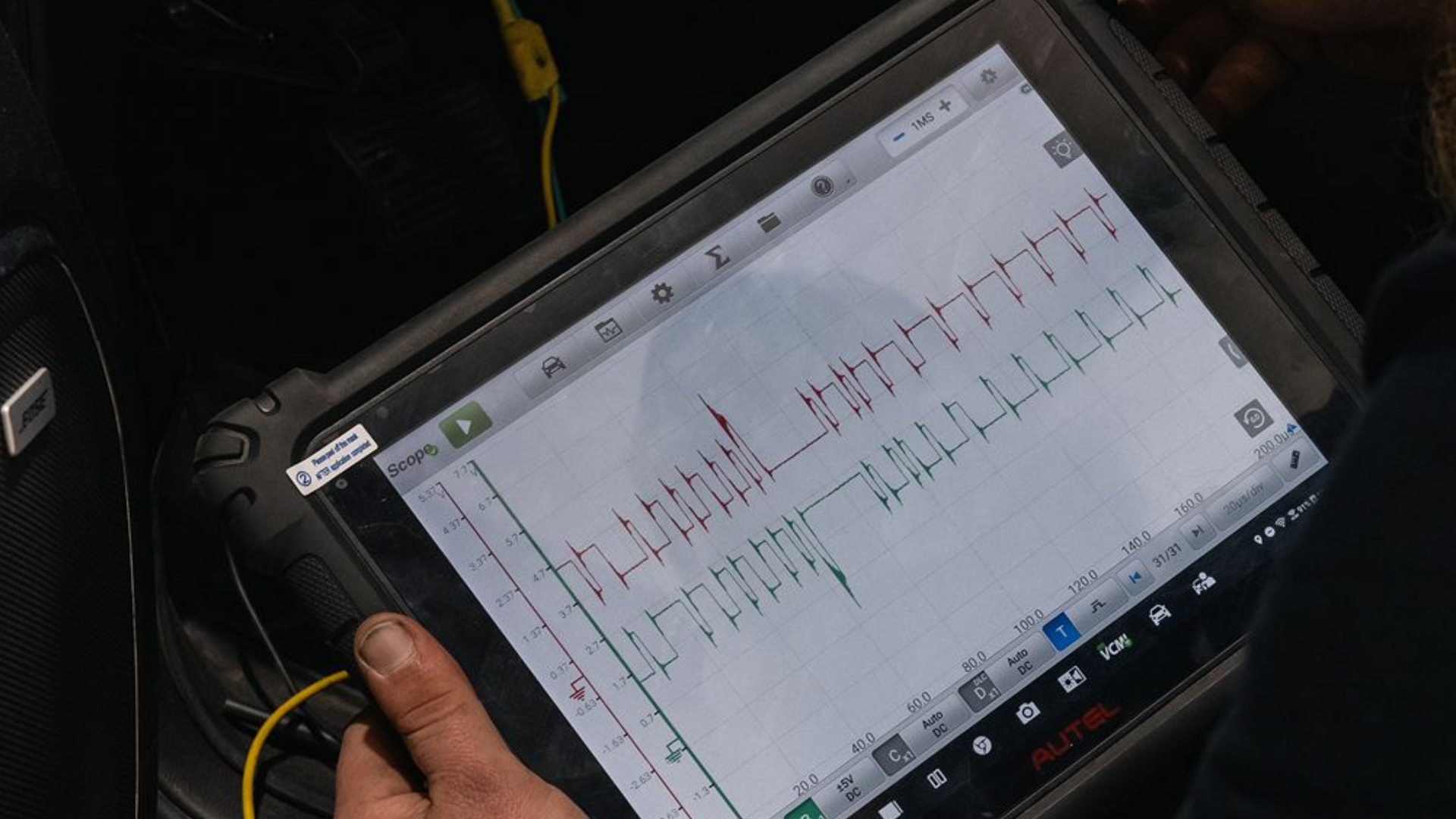
That's why heater diagnostics sometimes involve scan-tool data, electrical testing, and actuator checks.
Turns out your dashboard can have more drama than your group chat.
WHEN DOES YOUR HEATER STOP WORKING?
The conditions surrounding a heater problem can be just as useful as the problem itself.
Heat Only Works While Driving
Coolant level, circulation, trapped air, or heater-core flow may need evaluation.
Cold Air at Idle
Changes in coolant circulation or system conditions at idle can provide diagnostic clues.
One Side Hot, One Side Cold
Blend-door operation or climate-control faults may be involved.
Engine Temperature Stays Low
Thermostat operation and actual engine temperature deserve testing.
These are clues, not confirmed diagnoses. Different vehicles can produce similar symptoms for different reasons.
5. Why Does My Heater Work Only While Driving?
This is one of those complaints where the details really matter.
You're cruising down K-96, enjoying perfectly warm air. Then you stop at a light, and the temperature starts dropping.
What might cause it? Coolant level, trapped air, circulation issues, or restricted heater-core flow are possibilities.
The correct diagnosis depends on the vehicle and what's happening to engine temperature and coolant circulation under those conditions.
What should you do? Tell your technician exactly when the heat changes. Does it happen at every stop? Only after the engine warms up? Only on very cold days?
That's useful information, not unnecessary detail.
6. When Is a Heater Problem Unsafe?
A heater blowing cold isn't always an emergency. But the cause matters.
A failed blend-door actuator may affect comfort without preventing the engine from cooling normally.
On the other hand, losing cabin heat alongside engine overheating or major coolant loss can indicate a serious cooling-system problem.
The engine is overheating, a temperature warning appears, steam is visible, or significant coolant loss is suspected. Never open a hot pressurized cooling system. Arrange towing when necessary. If your windshield cannot be adequately defrosted, don't continue driving with impaired visibility.
7. What About Electric and Hybrid Vehicles?
Not every vehicle uses engine heat to warm the cabin.
Electric vehicles may use resistance heaters, heat pumps, and sophisticated thermal management systems.
Hybrids can use combinations of engine heat and electric heating technology, depending on the design.
So a heater concern on a gasoline-powered SUV may require a different diagnostic process from one on a Tesla or another electric vehicle.
The vehicle's actual system design determines what needs to be tested.
What Does Gearhead Check Before Recommending a Repair?
Depending on the symptoms and vehicle configuration, a heater diagnosis may involve:
- Reviewing when and how the heater problem occurs.
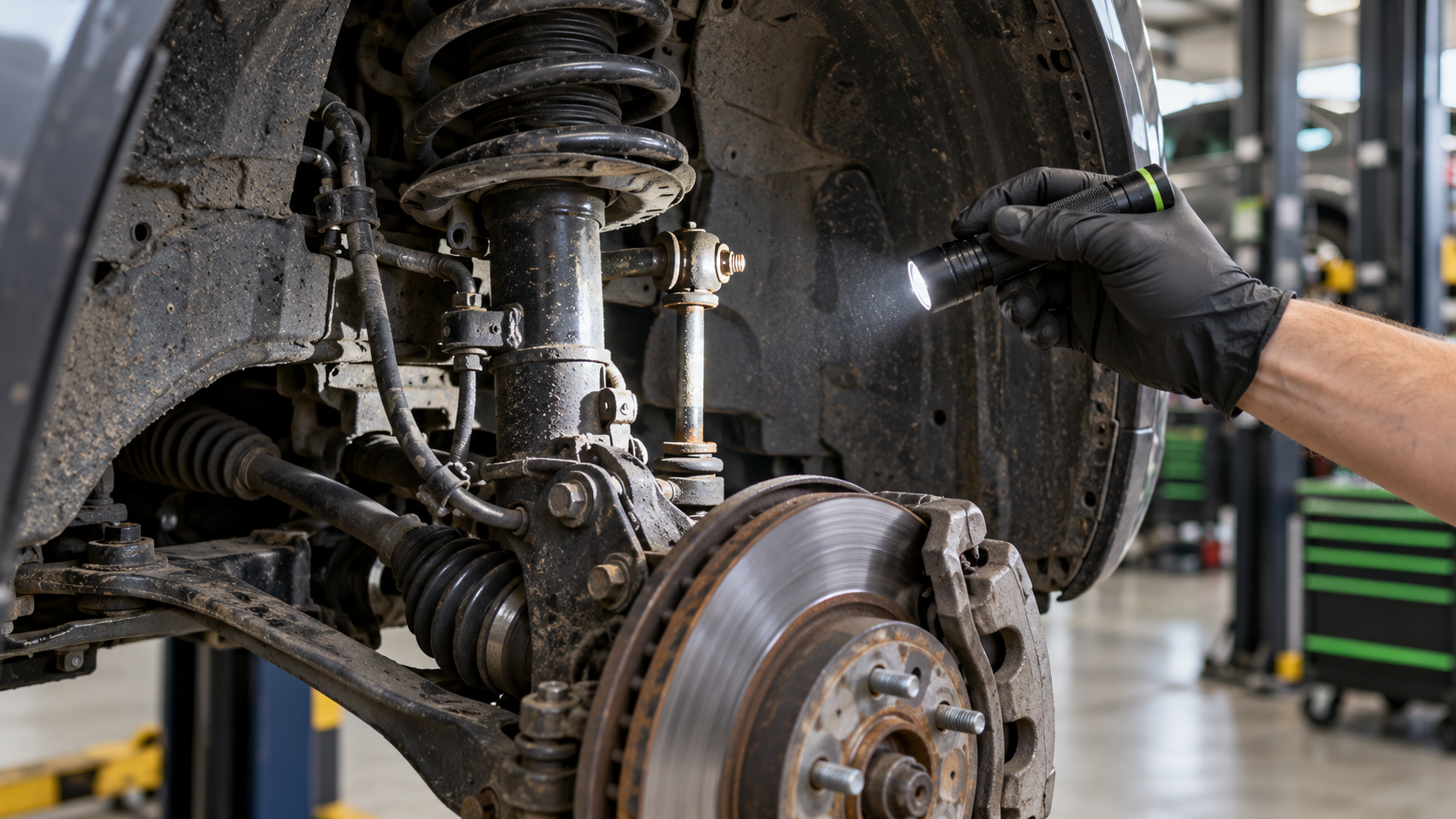
- Checking coolant level, condition, and evidence of leaks when applicable.
- Verifying actual engine operating temperature.
- Evaluating heater-core temperature and coolant flow.
- Testing HVAC controls, blend-door operation, and relevant electrical systems.
- Verifying the identified problem before recommending the appropriate repair.
We aren't interested in turning a heater problem into a shopping list of guesses.
Sometimes it really is a simple repair. Sometimes it isn't.
Either way, you deserve to know what you're paying to fix.
Car Heater Questions Wichita Drivers Ask
Why is my car heater blowing cold air?
Possible causes include low coolant, thermostat problems, heater-core restrictions, blend-door failures, and electronic climate-control faults. Diagnosis depends on the vehicle and symptoms.
Can low coolant cause my heater to stop working?
Yes. Low coolant or trapped air can interfere with circulation through the heater core, causing weak or inconsistent heat. The reason for coolant loss should also be investigated.
Does a heater core always need replacing when there's no heat?
No. Heater problems can originate elsewhere in the cooling or HVAC system. Testing should establish whether the heater core is restricted, leaking, or operating properly.
Why is my heater hot on one side and cold on the other?
On vehicles with multiple climate zones, a blend-door or HVAC-control issue is one possibility. Other system problems can cause similar symptoms.
Where can I get my car heater diagnosed near Wichita?
Gearhead Autoworks is located in Maize, Kansas, serving Wichita and surrounding communities. We evaluate heating, cooling, and climate-control concerns and recommend repairs based on the findings.
KANSAS WINTER IS COLD ENOUGH. YOUR HEATER SHOULDN'T JOIN IN.
If your heater is blowing cold air, your defroster isn't working properly, or your vehicle is losing coolant, let's find out why.
Gearhead Autoworks serves Maize, Wichita, Colwich, Goddard, Valley Center, and surrounding Kansas communities with cooling-system, heating, electrical, and automotive repair.
We find the source. Then we fix it right.
SCHEDULE YOUR VISIT