Wichita Fall Weather Has Commitment Issues. Is Your Car Ready?
Gearhead Autoworks
October 18, 2026
Kansas can't decide whether it's summer, fall, or winter. Your car is just trying to keep up.
Let's be realistic.
It's October in Wichita. You leave the house wearing a hoodie because it's 43 degrees outside. By lunchtime, you're sweating through that same hoodie because Mother Nature decided 82 degrees sounded better.
Tomorrow? Wind advisory.
Next week? Who knows. Maybe we're scraping frost off the windshield while simultaneously fighting off mosquitoes.
Welcome to fall in Kansas, where the weather forecast is more of a suggestion than a promise.
And while we're all trying to figure out whether to turn on the heat or the A/C, our vehicles are dealing with some pretty significant temperature swings.
The good news? A little attention now can help prevent expensive headaches when winter finally decides to show up.
Let's talk about what actually matters.
1. Your Tires Don't Care That It Was 80 Degrees Yesterday
Here's something that catches people off guard every fall.
As temperatures drop, so does tire pressure. Roughly speaking, tire pressure changes about 1 PSI for every 10°F change in temperature.
So when Wichita goes from a pleasant afternoon to a freezing morning, don't be surprised when your tire pressure warning light decides to join the conversation.
That doesn't automatically mean you have a flat tire. But it doesn't mean you should ignore it, either.
Check tire pressure when the tires are cold and inflate them according to the vehicle manufacturer's recommendation, usually found on the driver's door jamb. Not the maximum printed on the tire.
And while you're down there, take a look at the tread.
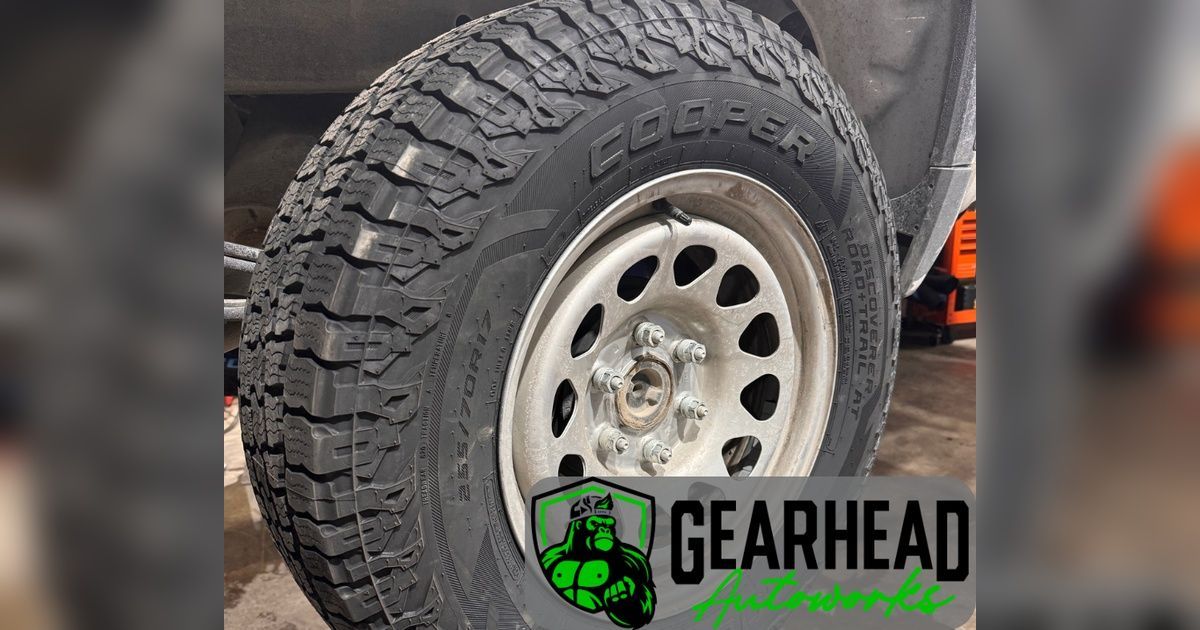
Worn tires and cold, wet pavement aren't exactly a winning combination. Tread helps channel water away, and as it wears down, wet-road traction can suffer.
Replacing worn tires before winter weather arrives beats discovering the problem during the first icy commute down K-96.
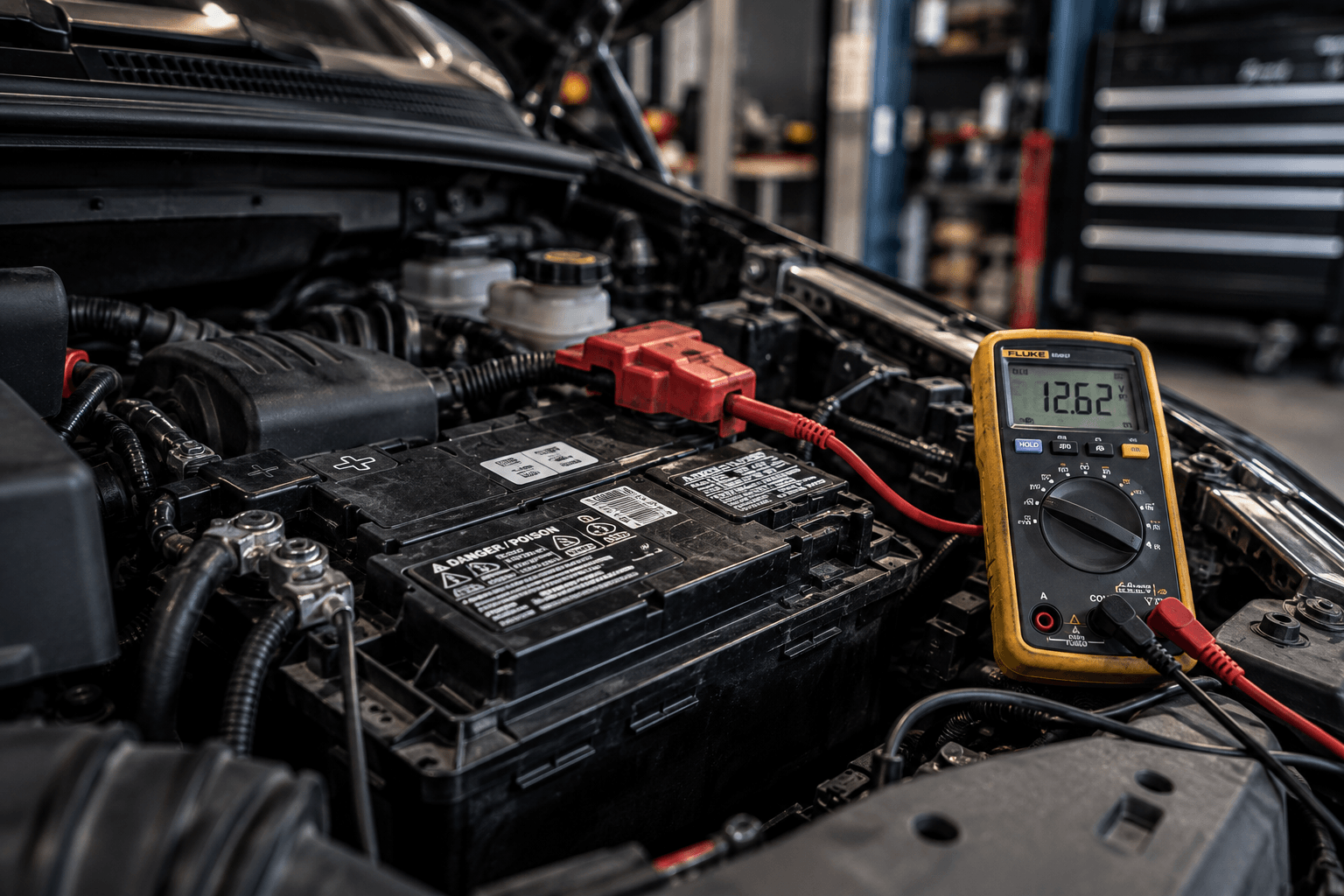
2. Your Battery Might Be Planning Its Retirement
You know that sound.
Ruhh... ruhh... ruhh...
And then absolutely nothing.
Congratulations. Your battery has decided it no longer wishes to participate.
Here's the interesting part: summer heat can accelerate battery deterioration, while cold temperatures reduce battery performance and make an already weakened battery struggle to start the engine.
So that battery that seemed perfectly fine in August may suddenly become a problem in November.
If your battery is several years old, the engine cranks slowly, or you've had intermittent electrical concerns, it's worth having the battery and charging system checked.
A slow crank doesn't always require a new battery, either. Corroded connections, charging problems, starter concerns, and excessive electrical draw can produce similar symptoms.
And we're not particularly fond of replacing perfectly good parts just because they're easy to blame.
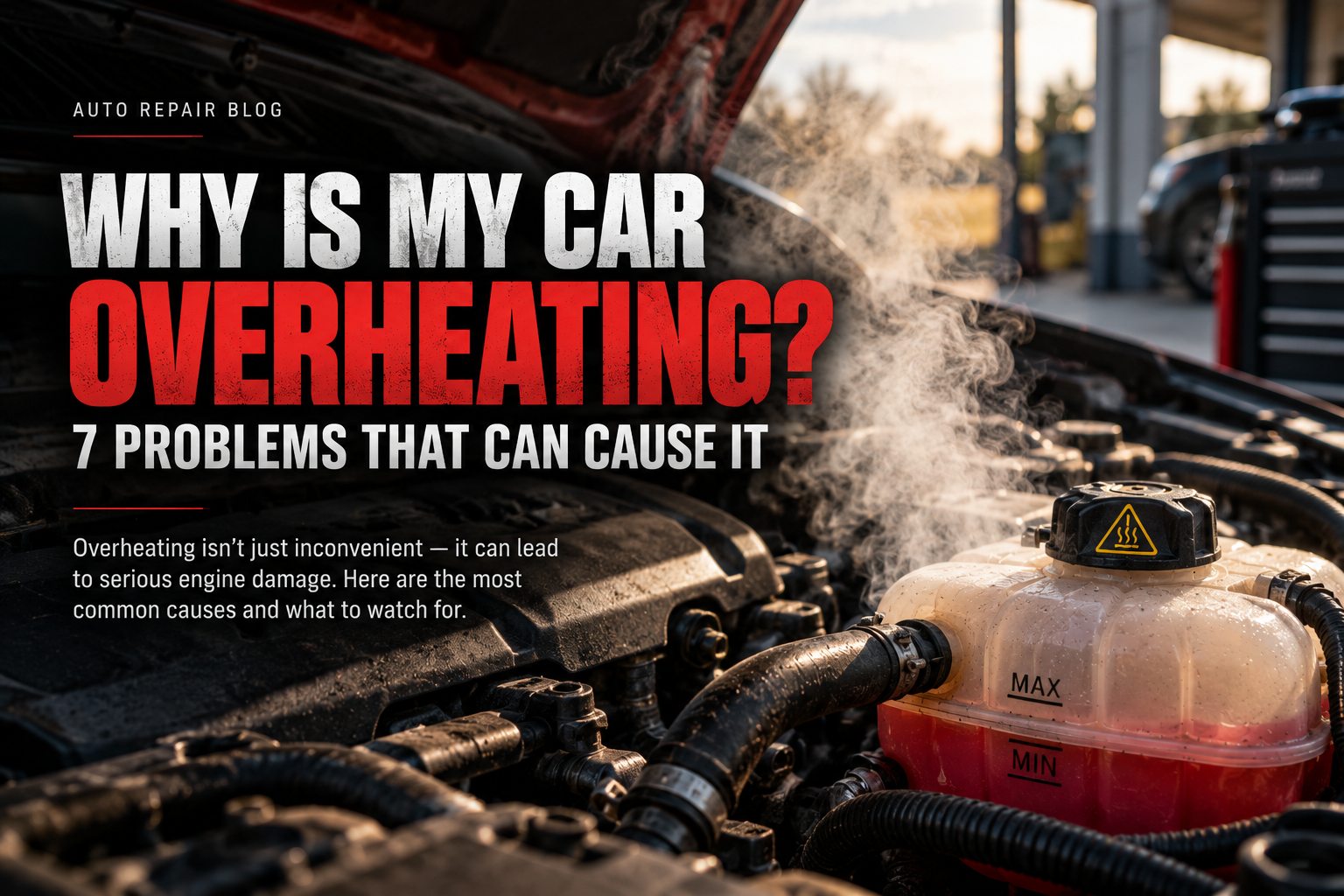
3. Coolant Isn't Just There to Keep Your Engine Cool
Let's clear something up.
Your engine's cooling system works year-round, whether it's 105 degrees in July or 10 degrees in January.
Properly mixed coolant helps transfer heat, protect against freezing, and protect internal cooling-system components against corrosion.
But coolant doesn't last forever.
Over time, protective additives can deteriorate. Leaks can develop around hoses, radiators, water pumps, thermostats, and other components.
And that little sweet smell you've been pretending not to notice?
Yeah. It probably isn't your car testing a new air freshener.
Before freezing temperatures arrive, it's worth checking coolant level, condition, freeze protection, and possible leaks.
Different vehicles also use different coolant formulations. Mixing incompatible products is not a great experiment.
Never remove a radiator or pressurized coolant cap while the engine is hot. Hot coolant can cause serious burns.
4. Your Heater Shouldn't Wait Until December for a Performance Review
Picture this.
It's 28 degrees outside. You're running late for work. You start your vehicle, turn the temperature to full heat, and get blasted with air that feels like it came straight out of your refrigerator.
Fantastic.
Your vehicle's heating and defrosting systems depend on several components working together.
Depending on the vehicle, a lack of heat could involve coolant level, thermostat operation, heater-core flow, blend doors, electronic controls, or other issues.
But there's something more important than keeping your toes warm.
Your defroster is a visibility and safety feature.
If your windshield won't clear properly, cold mornings, moisture, and fog can create dangerous driving conditions.
Give your heater and defroster a test before you actually need them.
If you've noticed a sweet smell inside the cabin, unexplained windshield fogging, or damp carpeting, don't overlook a possible heater-core leak.
"MOSTLY NORMAL."
THAT WAS A LIE.
Between the wind, temperature swings, unexpected frost, and occasional winter weather that shuts down half the city, your vehicle has plenty to deal with.
Fortunately, you don't need to predict the weather to prepare for it.
5. Your Brakes Don't Get a Winter Vacation
Brakes are one of those things most people don't think about until they start making noise.
And even then, there's a surprising number of people willing to turn up the radio and see how things develop.
We're not recommending that strategy.
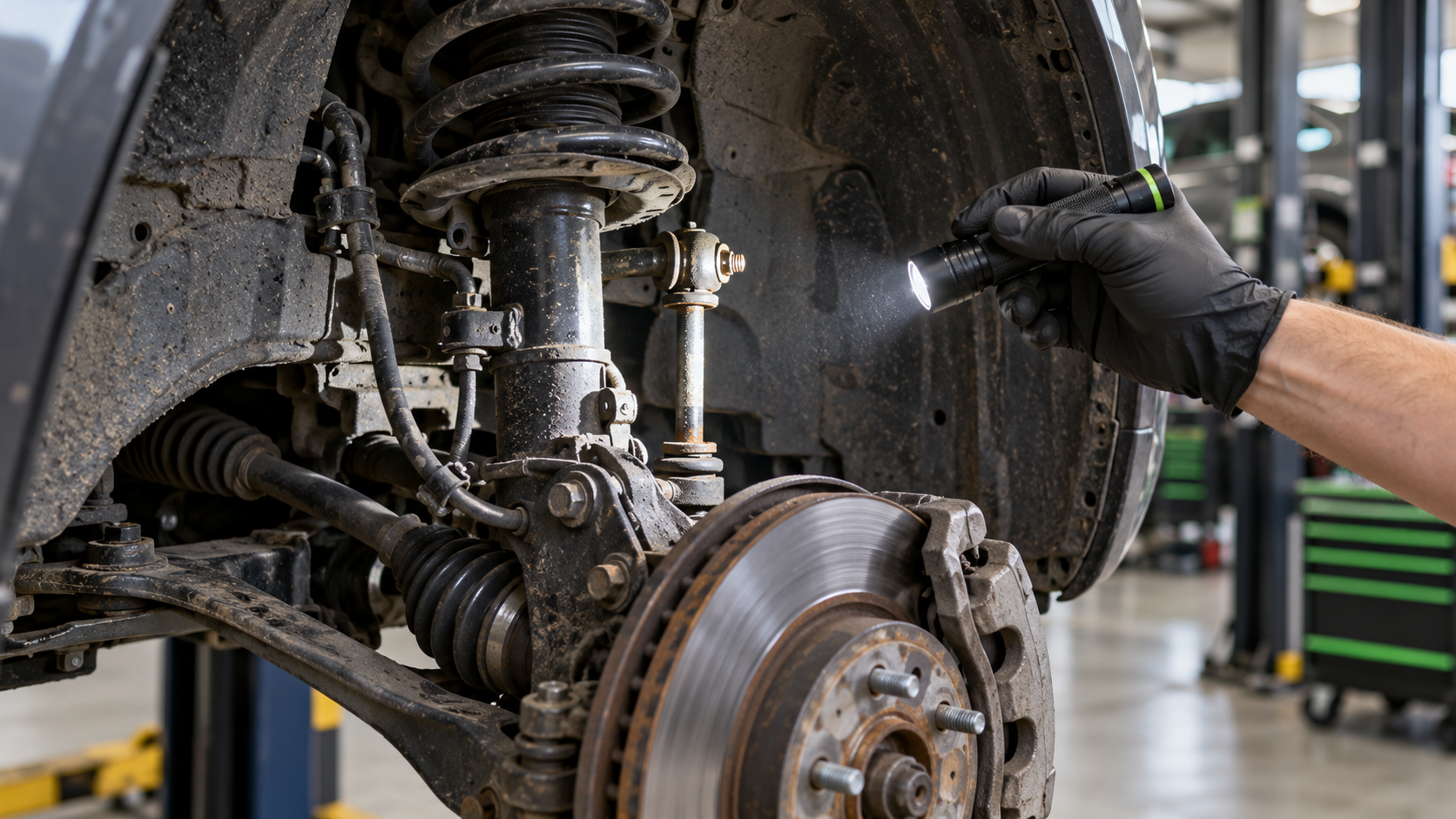
Worn brake pads, uneven braking, sticking calipers, damaged rotors, and problems with ABS or stability-control systems become especially concerning when road conditions deteriorate.
Pay attention to grinding, pulsation, pulling while braking, unusual pedal feel, and brake warning lights.
Good brakes and good tires work together. Neither can overcome the laws of physics on ice.
6. Windshield Wipers: The Cheapest Thing Everyone Forgets
Wichita wind.
Need we say more?
Add falling leaves, dust, rain, road spray, and the occasional early frost, and your windshield has a lot going on.
If your wipers are streaking, skipping, squealing, or leaving half the windshield untouched, they're due for attention.
Make sure your washer fluid is appropriate for freezing temperatures, too.
Summer-only washer fluid can freeze when the weather turns cold, potentially leaving you without a functioning washer system when you need one.
And while you're checking, take a look at your headlights, brake lights, and turn signals.
Fall means shorter days, more nighttime driving, and more chances to encounter wildlife on roads outside Wichita.
Being able to see—and be seen—matters.
7. The Check Engine Light Doesn't Know It's Almost Thanksgiving
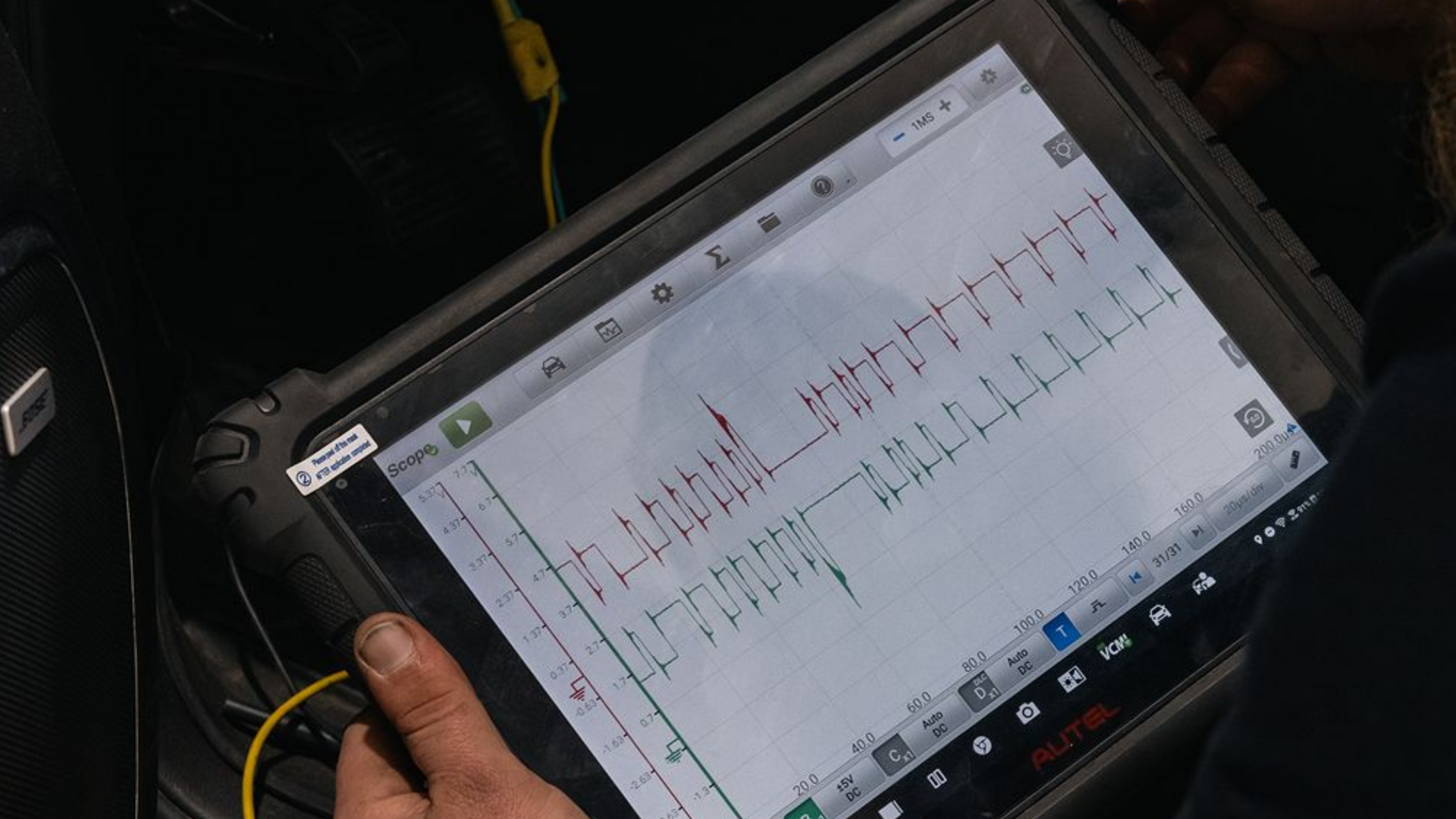
We couldn't write a Gearhead blog without mentioning diagnostics at least once.
If your vehicle has been running rough, hesitating, struggling to start, or illuminating warning lights, cold weather probably isn't going to magically fix the problem.
Some concerns become more noticeable when temperatures change. Others have been developing for months and are simply getting harder to ignore.
The important thing is understanding why the symptom is occurring.
A check engine light is a starting point for diagnosis, not a shopping list of parts to replace.
If that check engine light is flashing, particularly with a noticeable misfire, avoid continued driving and have the concern evaluated promptly.
So, Does Your Vehicle Actually Need a Fall Inspection?
Not necessarily an elaborate one.
If your vehicle has been maintained consistently, your tires are healthy, your battery is performing properly, fluid levels are correct, and everything operates as it should, you may already be in good shape.
But if you've been putting off a concern, fall is a reasonable time to address it.
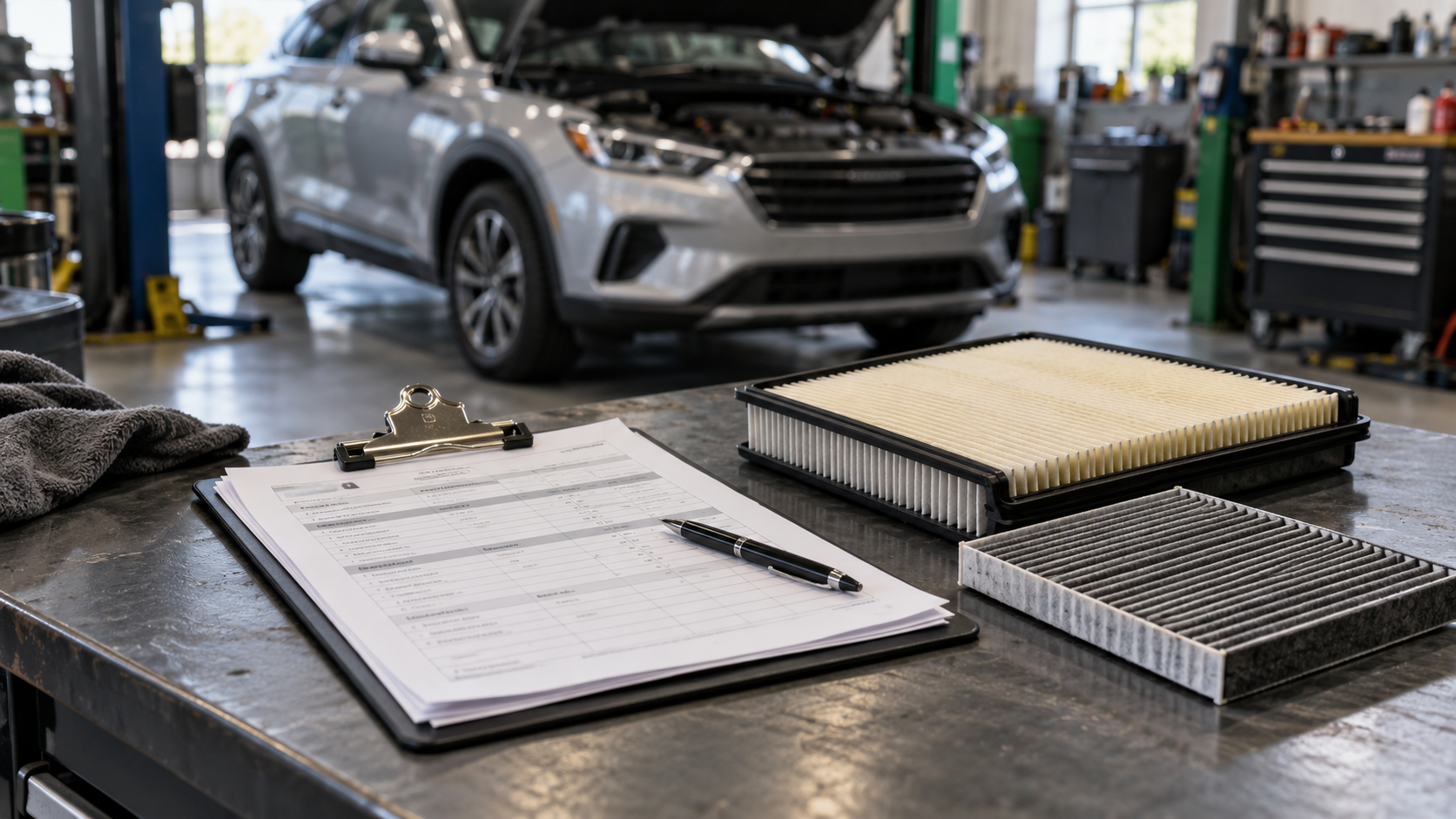
A vehicle inspection can help identify worn tires, fluid leaks, aging batteries, brake concerns, and other issues before winter makes them more inconvenient.
And no, a fall inspection shouldn't automatically turn into a $2,000 shopping spree.
The point is understanding your vehicle's condition and addressing what actually matters.
Fall Car Care Questions Wichita Drivers Ask
Why does my tire pressure light come on when it gets cold?
Tire pressure generally decreases as temperatures fall. Check pressure when the tires are cold and inflate them to the vehicle manufacturer's recommended specification. If one tire repeatedly loses pressure, have it checked for a leak.
Can cold weather cause my car battery to fail?
Cold temperatures reduce battery performance and increase the effort needed to start an engine. A weakened battery may fail when temperatures drop, even if it worked during warmer weather.
Should I change my coolant before winter?
Not automatically. Coolant maintenance depends on manufacturer recommendations, condition, and service history. Proper freeze protection, coolant compatibility, and a leak-free system are important.
What should I check before winter driving in Kansas?
Start with tire condition and pressure, battery performance, coolant, brakes, heater and defroster, windshield wipers, winter-rated washer fluid, and exterior lights. Address warning lights, leaks, and other known problems before severe weather arrives.
WICHITA WEATHER IS UNPREDICTABLE. YOUR VEHICLE DOESN'T HAVE TO BE.
At Gearhead Autoworks in Maize, we help drivers throughout Wichita, Colwich, Goddard, Valley Center, and surrounding Kansas communities keep their vehicles ready for whatever the weather brings.
From tires and batteries to cooling systems, brakes, inspections, and advanced diagnostics, we're here to help you understand what your vehicle needs.
No crystal ball required. Although if somebody figures out how to predict Kansas weather accurately, we'd love to borrow it.
SCHEDULE YOUR VISIT