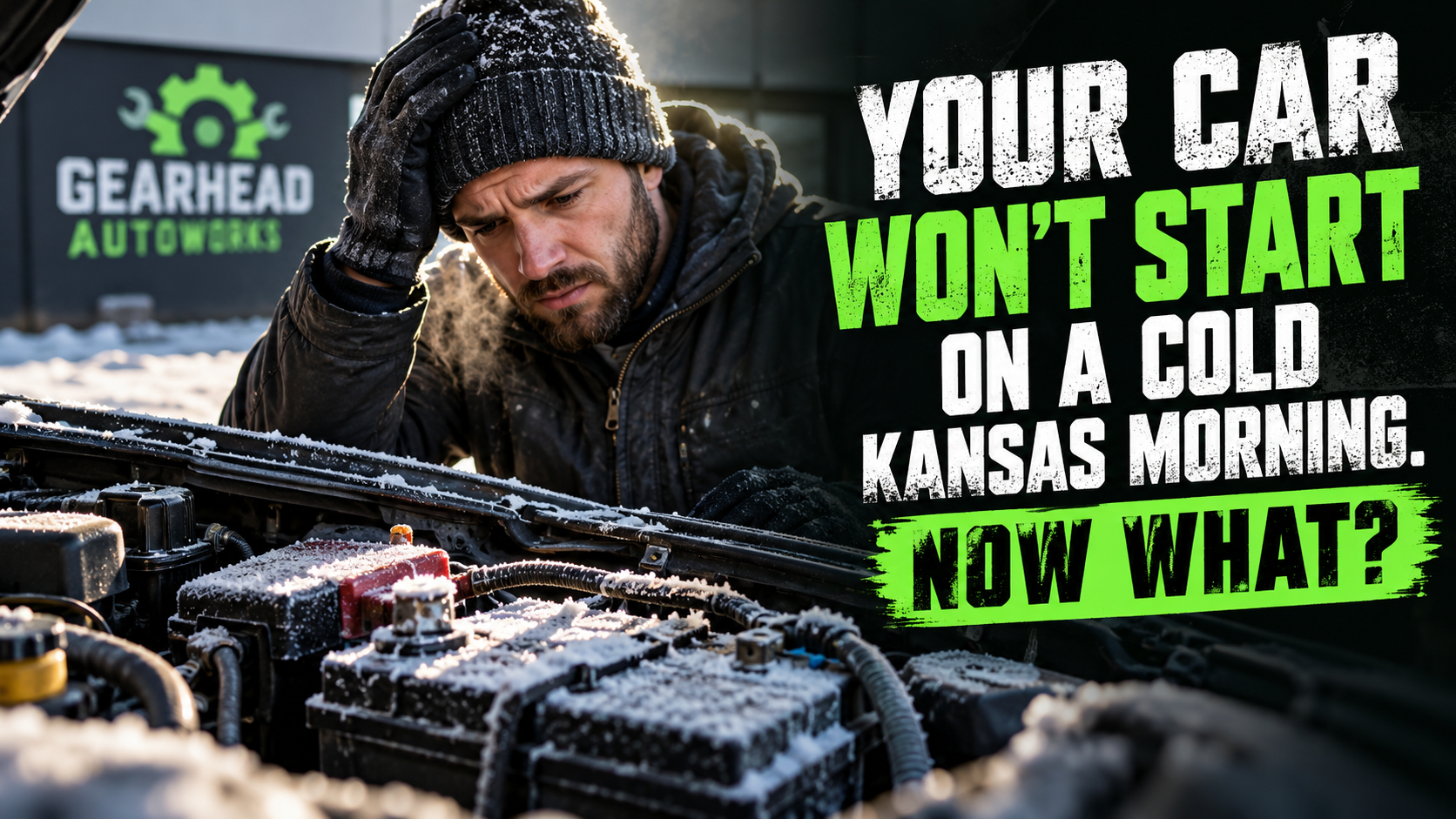
You know how your car normally starts. A quick turn of the key, the engine fires up, and you're on your way.
But lately, something has changed. Instead of starting almost immediately, the engine turns over for a few extra seconds before finally coming to life.
Maybe it only happens first thing in the morning. Maybe it's worse after getting gas. Or maybe it happens randomly, just often enough to make you wonder what's going on.
Here's the thing: your car is giving you information. The trick is understanding what that information means before buying parts.
FIRST, WHAT DOES HARD STARTING MEAN?
There are two very different situations people often describe as a car that's hard to start.
1. The Engine Cranks Slowly
If the engine sounds sluggish while turning over, that's generally a different diagnostic direction. Battery condition, cable connections, voltage drop, starter performance, and even mechanical resistance may all need to be checked.
2. The Engine Cranks Normally but Takes Longer to Fire
If the engine spins at its normal speed but takes several seconds before starting, we start looking at what the engine needs to actually run: fuel, spark, compression, proper timing, and accurate control-system information.
SAME COMPLAINT. DIFFERENT REPAIRS.
A slow-cranking engine and an engine that cranks normally but won't fire aren't the same problem. Figuring out which one you're experiencing can save a lot of wasted time and money.
COULD IT BE THE FUEL PUMP?
Absolutely. But that doesn't mean it is.
Your fuel system needs to supply the correct amount of fuel at the correct pressure. Depending on the vehicle, the system may include an in-tank pump, pressure control components, a high-pressure pump, and fuel injectors.
If fuel pressure takes too long to build, the engine may crank longer than normal before starting. In other situations, pressure may bleed down after the engine is shut off, creating an extended crank after the vehicle has been sitting.
But pressure loss can have several causes, and a pump that isn't operating correctly doesn't automatically mean the pump itself is defective. The power supply, ground, control system, and other components matter too.
That's why our fuel system diagnosis and repair process looks at how the system is actually operating before we recommend a fuel pump replacement.
WHAT ABOUT FUEL INJECTORS?
Fuel injectors have a very specific job: deliver precisely controlled fuel into the engine.
If an injector leaks when it should be closed, excessive fuel can make some engines difficult to start. Restricted injectors, electrical problems, and injector control faults can create their own drivability symptoms.
Modern direct-injection engines add another layer of complexity with high-pressure fuel delivery and additional controls.
The important point is that one symptom doesn't prove a particular injector has failed. Appropriate testing is what separates the possibilities.
SOMETIMES IT'S NOT THE FUEL SYSTEM AT ALL.
This is where the diagnosis gets interesting. A car that takes longer to start can have problems that aren't related to a failing fuel pump or injector.
Weak Battery or Starting-System Issues
A battery can have enough power to turn the engine over but still struggle under certain conditions. Cable resistance and starter performance can also affect cranking.
Crankshaft or Camshaft Sensor Problems
The engine computer depends on accurate engine-speed and position information. An intermittent signal issue can interfere with starting, particularly under certain temperature or operating conditions.
Ignition Problems
Spark plugs, ignition coils, and related electrical concerns may contribute to difficult starting or rough running. Misfires after startup can provide useful diagnostic clues.
Air and Engine Management Problems
Incorrect sensor readings, air metering concerns, and some evaporative-emissions system faults can affect the mixture the engine needs to start.
One example is a purge valve that doesn't seal properly. On some vehicles, this can contribute to a hard start shortly after refueling.
Mechanical Engine Problems
Compression loss, timing concerns, and other mechanical issues can also cause hard starting. These are different problems with very different repair paths.
THIS IS WHY WE DON'T PLAY THE PARTS GAME.
Imagine replacing a fuel pump only to discover the actual issue was a wiring fault or an inaccurate sensor signal.
Now you've paid for a repair and still have the same problem.
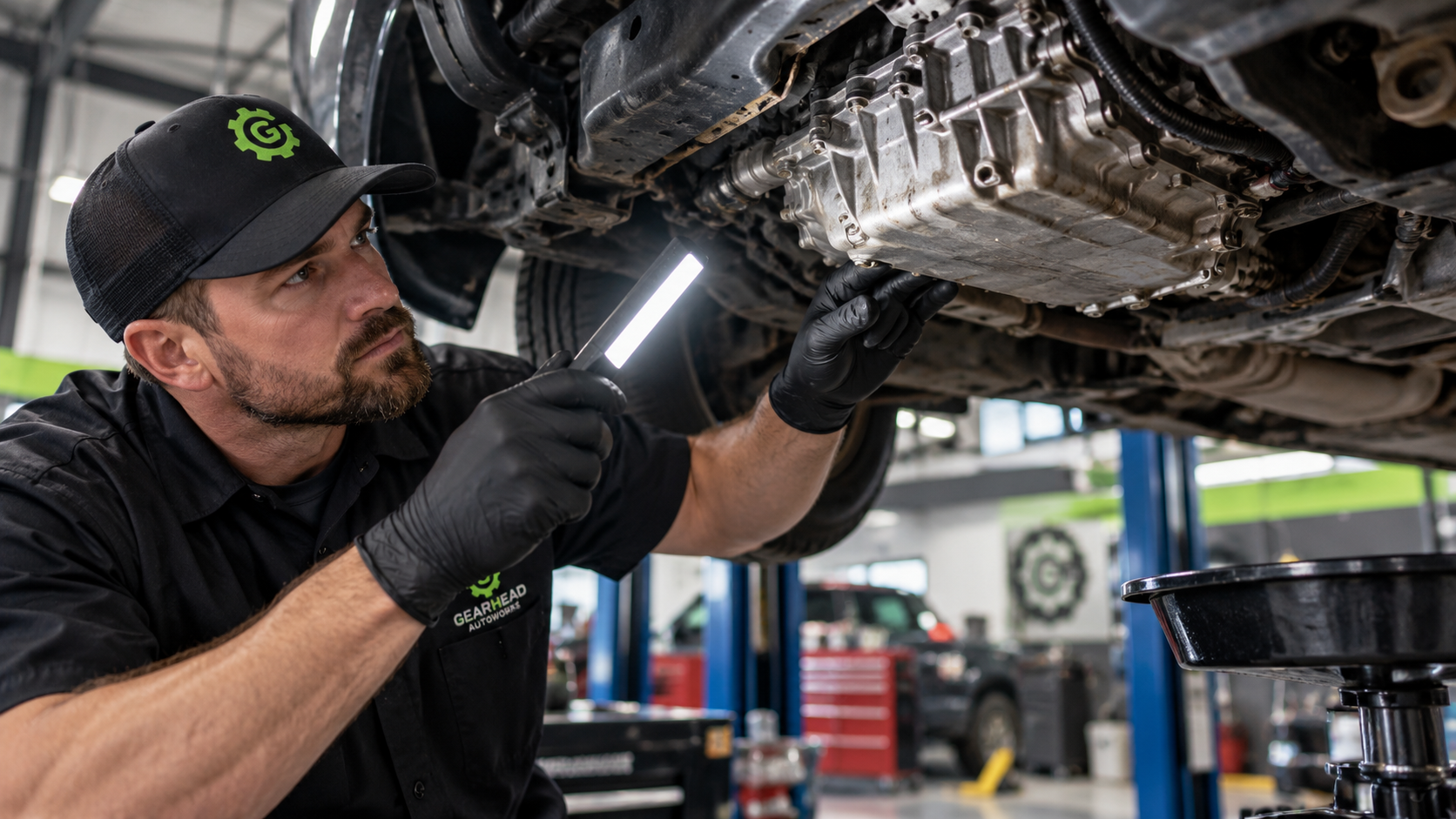
At Gearhead Autoworks, we'd rather spend the time finding the failure than spend your money guessing at it.
WHEN DOES THE PROBLEM HAPPEN?
This is one of the most useful pieces of information you can give a technician.
- Only first thing in the morning: Temperature, fuel pressure retention, battery condition, and cold-start operation may be relevant.
- Only after filling the tank: Certain evaporative-emissions faults, including purge-valve problems, may be worth investigating.
- Only when the engine is hot: Heat-sensitive electrical components, fuel-system concerns, and sensor behavior may need examination.
- Randomly, with no obvious pattern: Intermittent electrical faults, fuel delivery concerns, and control issues may require more involved testing.
These patterns don't identify the failed part by themselves. They help us decide where to start testing.
SHOULD YOU KEEP DRIVING IF IT TAKES LONGER TO START?
An occasional extra second of cranking doesn't automatically mean a major failure is coming. But a developing problem is worth evaluating, especially if the symptoms are becoming more frequent.
If the vehicle begins stalling, runs poorly, or becomes unreliable, waiting can create a much more inconvenient situation.
If you notice a strong raw-fuel odor or visible fuel leakage, don't continue driving or repeatedly attempt to start the engine. Arrange appropriate transportation or towing.
HOW DOES GEARHEAD DIAGNOSE A HARD START?
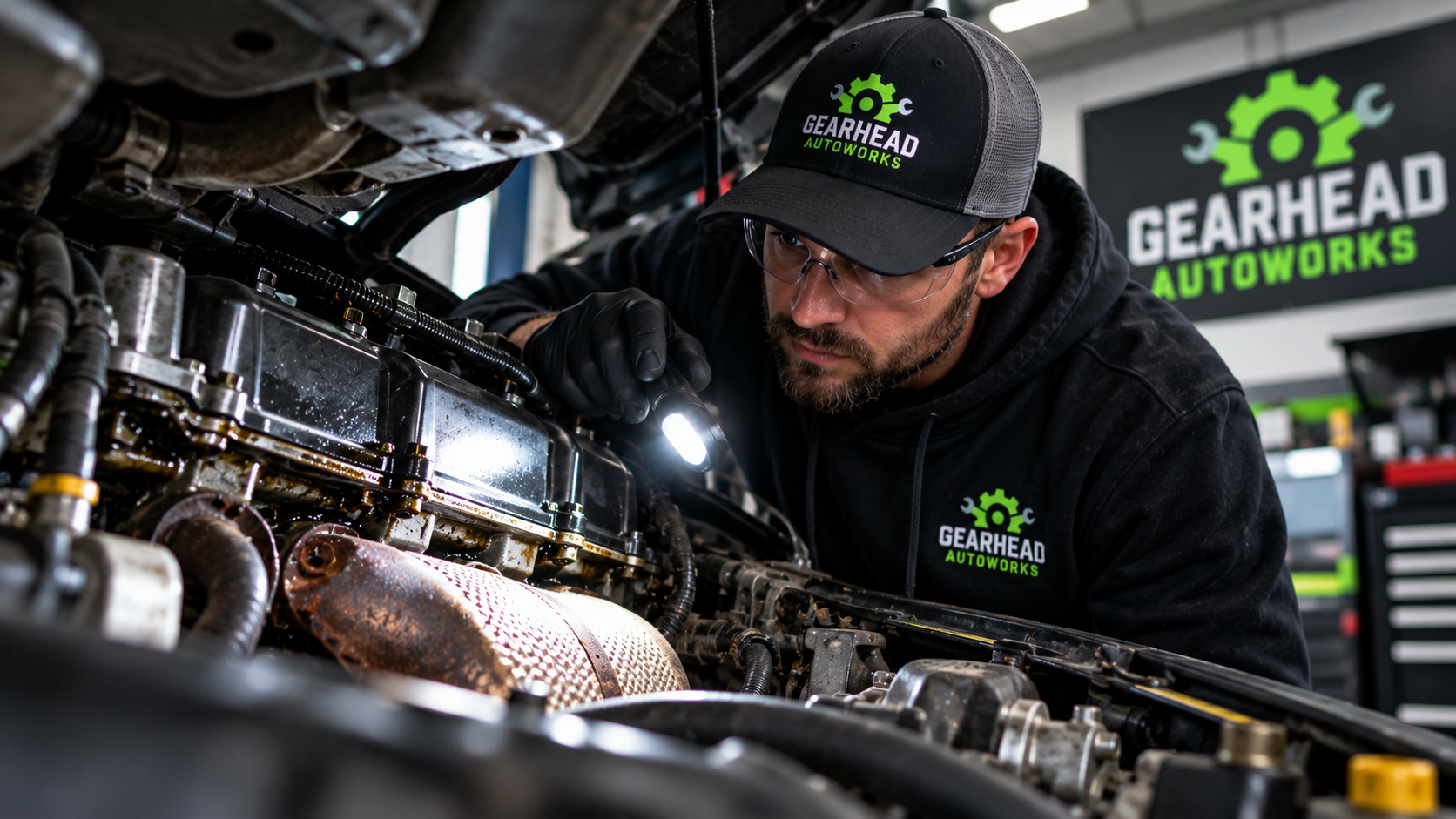
We begin with the actual complaint. When does it happen? How frequently? Does the engine crank slowly or at normal speed? Does it start better on the second attempt?
From there, the testing depends on what we find. That may include battery and starting-system checks, fuel pressure testing, electrical circuit measurements, scan-tool data analysis, or additional mechanical evaluation.
Sometimes the problem is straightforward. Sometimes it takes more digging. Either way, the objective is the same: find the source, then fix it right.
YOUR CAR DOESN'T NEED A GUESS.
If your vehicle is taking longer to start, don't assume it automatically needs a battery, starter, fuel pump, or injectors. Start with understanding why the symptom is happening.
Gearhead Autoworks provides professional automotive diagnostics and fuel-system repair in Maize, Kansas, serving Wichita, Goddard, Colwich, Bentley, and nearby communities.
Learn more about our fuel system services or explore our electrical diagnostic capabilities.