Your transmission just made a noise that sounded expensive. Now every gear change feels like a financial decision.
Before you start shopping for a replacement transmission, let's figure out what those symptoms actually mean.
Does Hard Shifting or Slipping Mean You Need a New Transmission?
The short answer: No, not necessarily. Slipping, jerking, delayed engagement, or hard shifts can come from low or incorrect transmission fluid levels, hydraulic pressure problems, electronic controls, worn mounts, or internal transmission damage.
Some causes can be repaired without replacing the entire transmission. Others require major repairs or replacement. The symptoms alone don't tell us which.
What matters: Whether the problem happens cold, hot, under acceleration, in a specific gear, or when shifting into Drive or Reverse.
Severe slipping, loss of drive, significant fluid leaks, or overheating warnings deserve prompt attention. Continuing to drive can create additional damage or become unsafe.
First, What Does Your Transmission Actually Do?
Your transmission transfers engine power to the wheels while adjusting the gear ratio for speed, load, and driving conditions.
Modern automatic transmissions combine mechanical components, hydraulic pressure, sensors, electronic controls, and precisely managed fluid.
When one part of that system doesn't behave, the symptoms can get interesting.
And expensive guessing is nobody's favorite hobby.
1. Transmission Slipping or Engine RPM Flaring
What you might notice: Your engine revs higher than expected, but the vehicle doesn't accelerate accordingly. It may feel as though the transmission briefly loses its grip.
Possible causes: Inadequate hydraulic pressure, incorrect fluid level, control faults, or worn internal friction components can contribute to slipping.
A drivability concern elsewhere in the vehicle can sometimes feel similar, too.
Why it matters: Actual transmission slipping can generate excessive heat and accelerate internal wear. Continuing to drive may turn a manageable problem into a more serious one.
2. Hard Shifting, Banging or Jerking Into Gear
What you might notice: An unusually harsh shift, a jolt when changing gears, or a bang when selecting Drive or Reverse.
Some vehicles have naturally firmer shifts than others. A sudden change from normal operation, however, deserves attention.
Possible causes: Transmission pressure regulation, shift solenoids, sensor information, electronic control strategies, or internal wear can contribute to harsh shifting.
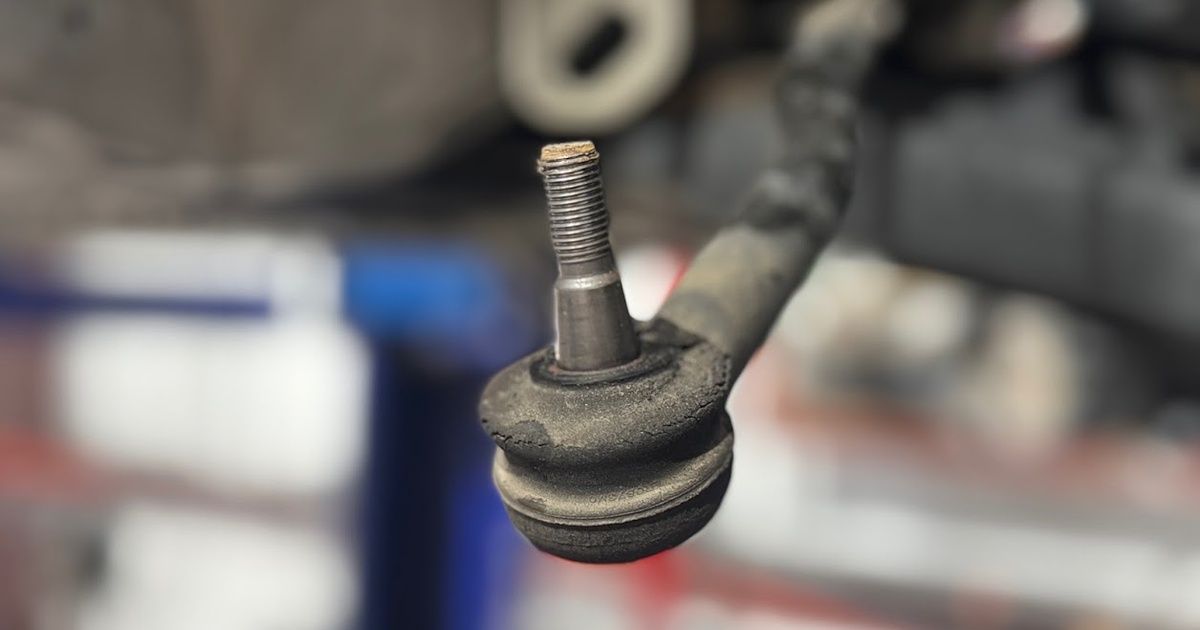
Worn engine or transmission mounts can also make normal engagement feel much more violent.
Why it matters: Replacing a transmission won't necessarily fix a worn mount or an electrical fault. That's why identifying the source comes before recommending the most expensive solution.
Revolutionary concept, we know.
3. Delayed Engagement Going Into Drive or Reverse
What you might notice: You move the shifter into Drive, wait a moment, and then the transmission finally engages.
Sometimes it's worse when cold. Sometimes it happens after the vehicle is fully warmed up.
Possible causes: Hydraulic pressure concerns, fluid level, internal sealing, electronic controls, or mechanical wear may be responsible.
Why it matters: Delayed or unpredictable engagement can make vehicle movement difficult to anticipate. A worsening delay should not be ignored.
4. Transmission Fluid: Maintenance, Not a Miracle Cure
What you might notice: Shifting concerns, fluid leaks, or overdue transmission maintenance.
Why fluid matters: Automatic transmission fluid helps lubricate components, transfer heat, and operate hydraulic systems. Fluid specification, level, and condition are important.
Some transmissions also require specific temperature-based filling procedures and manufacturer service methods.
What service can do: Proper fluid maintenance helps protect components and may address certain concerns involving incorrect fluid levels or conditions.
What it cannot do: New transmission fluid cannot rebuild damaged clutch packs, repair broken gears, or restore worn internal components.
If a transmission is already showing signs of failure, we evaluate its condition before recommending service.
We're not interested in selling a fluid service as a magical cure for a mechanical problem.
WHAT'S YOUR TRANSMISSION TRYING TO TELL YOU?
These symptoms give us useful starting points. They aren't confirmed diagnoses.
RPM Rises Without Acceleration
Possible slipping, pressure loss, friction-element concerns, or another drivability issue.
Bangs or Jerks During Shifts
Could involve pressure controls, electronic operation, mounts, or mechanical wear.
Hesitates Going Into Gear
Fluid level, hydraulic pressure, sealing, or control-system operation may need evaluation.
Whining, Vibration or Leaks
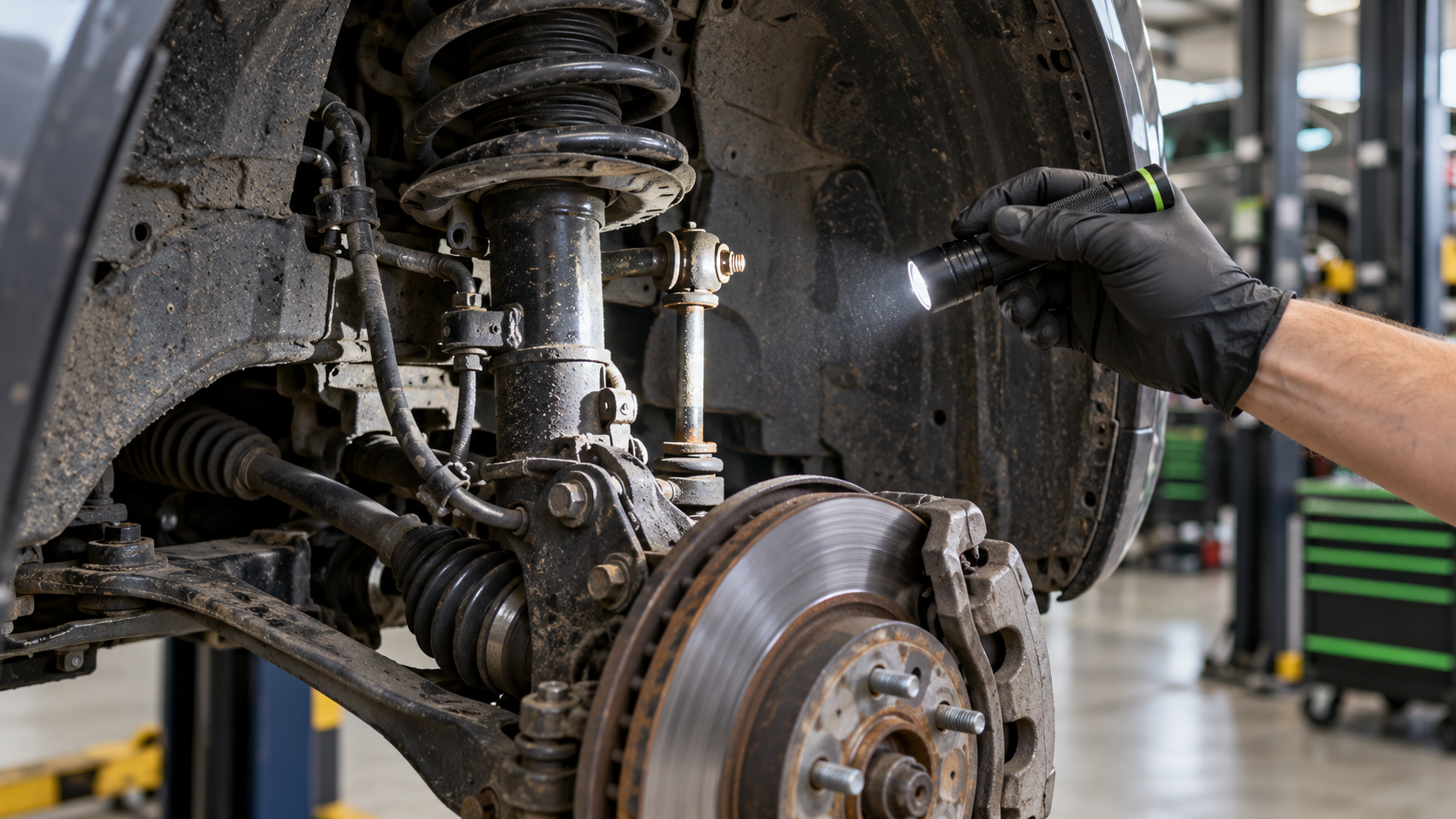
The transmission, mounts, axles, driveshafts, or other drivetrain components could be involved.
The best diagnostic clue is often when the symptom happens —not just what it feels like.
5. Sometimes the Transmission Isn't the Problem
Here's one of the more interesting things about modern vehicle diagnostics.
An engine misfire can feel like a transmission shudder. A worn mount can create a noticeable clunk. A driveline vibration may appear when the vehicle changes gears.
Electronic faults can also affect transmission operation, even when the internal mechanical components are still functional.
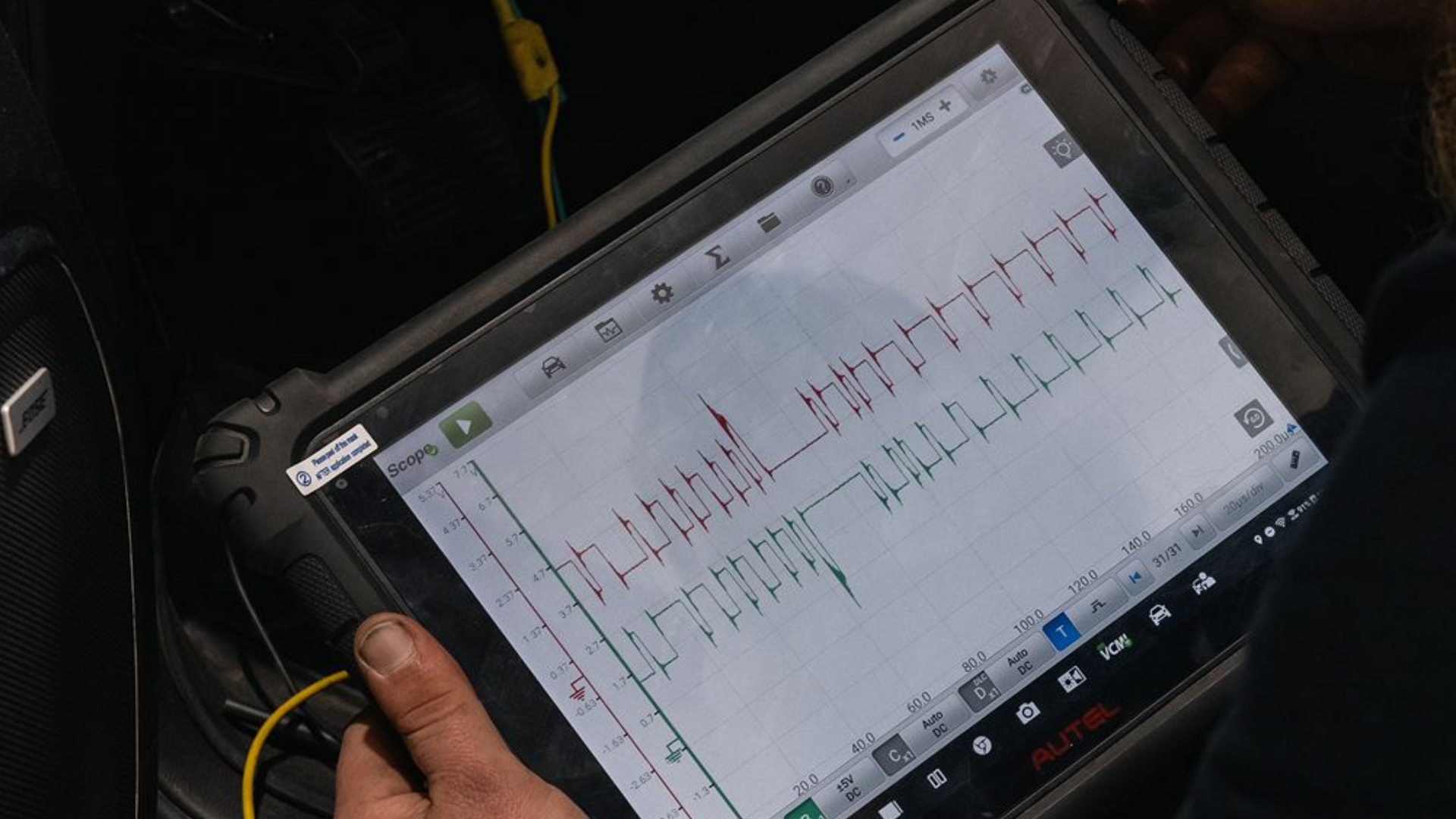
What we investigate: The complaint, operating conditions, fault information, relevant sensor data, fluid condition where applicable, and mechanical components that may contribute to the symptom.
We don't automatically condemn a transmission because a shift feels unusual.
Because paying for a replacement you didn't need would be a pretty terrible surprise.
6. When Does Transmission Replacement Make Sense?
Sometimes the internal damage really is substantial.
Severe internal wear, damaged mechanical components, repeated failures, or repair costs approaching replacement costs can make transmission replacement the more practical decision.
What matters: The diagnosed failure, overall vehicle condition, replacement options, warranty coverage, and total repair cost.
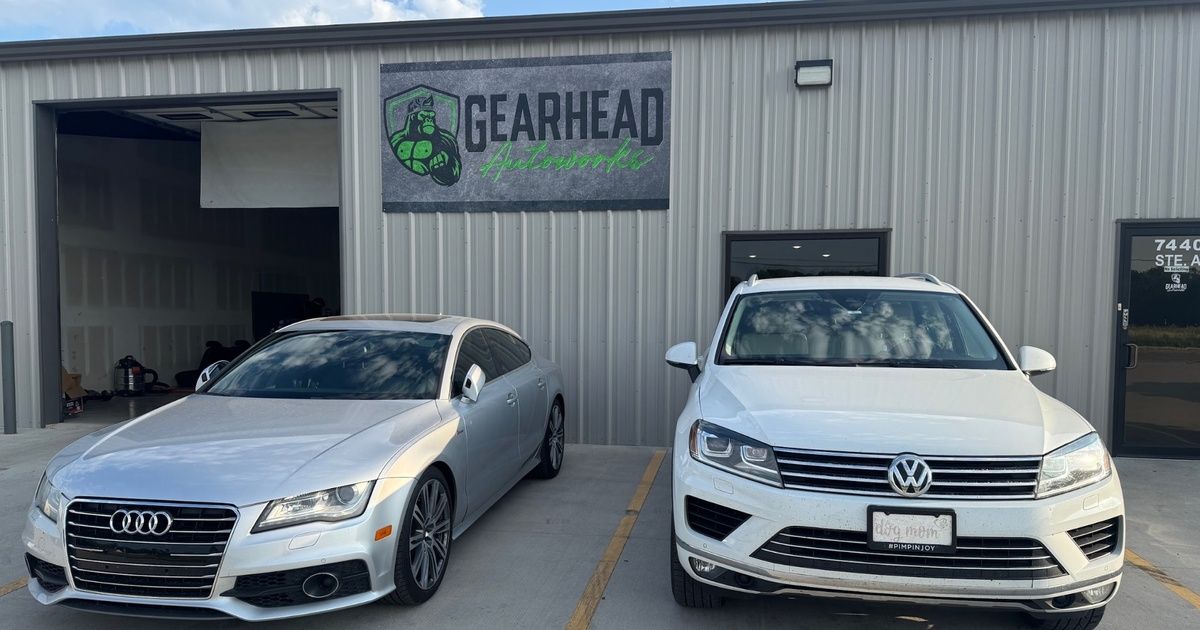
At Gearhead Autoworks, we perform transmission diagnostics, applicable fluid services, and complete transmission replacements.
We do not rebuild transmissions in-house.
When replacement is appropriate, we'll explain the findings and available options so you can make an informed decision.
7. Is It Safe to Drive With a Slipping Transmission?
The answer depends on the severity of the symptom and its cause.
Mildly unusual shifting isn't automatically proof of an imminent failure.
But severe slipping, unpredictable engagement, loss of drive, significant fluid leakage, or overheating warnings can become safety concerns.
If the vehicle cannot reliably engage or maintain a gear, loses propulsion unexpectedly, develops severe mechanical noises, or displays a transmission overheating warning, stop somewhere safe. Have the vehicle evaluated and arrange towing when appropriate.
8. What About Clutches and Manual Transmissions?
Manual-transmission vehicles can develop shifting problems, too.
Common symptoms: Clutch slipping under acceleration, difficulty selecting gears, grinding, unusual pedal feel, or hydraulic fluid leaks.
Possible causes: Worn clutch components, hydraulic problems, release mechanisms, shifter faults, or internal transmission concerns.
Gearhead evaluates clutch and manual transmission problems, including applicable clutch replacement and hydraulic repairs.
As with automatics, the appropriate repair depends on what testing and inspection reveal.
How Does Gearhead Diagnose Transmission Problems?
Depending on the vehicle and symptoms, diagnosis may involve:
- Confirming when and how the transmission problem occurs.
- Checking applicable diagnostic trouble codes and control data.
- Evaluating fluid condition and level using the correct manufacturer procedures.
- Inspecting mounts and related drivetrain components.
- Testing relevant electrical and hydraulic operation where appropriate.
- Determining whether maintenance, repair, or replacement is justified by the findings.
The goal isn't to find a reason to replace your transmission. It's to find out why your vehicle isn't driving correctly.
And that makes a pretty significant difference when it's your money on the line.
Learn more about auto repair at Gearhead and our diagnostic services.
Transmission Questions Wichita Drivers Ask
Does a slipping transmission always need replacement?
No. Slipping can involve hydraulic pressure problems, fluid-related issues, control faults, or internal mechanical wear. Some causes can be repaired, while significant internal damage may require replacement.
Will a transmission fluid change fix hard shifting?
Not necessarily. Proper fluid service may help when the problem involves fluid condition or level, but it cannot repair damaged internal components or unrelated electronic faults. Diagnosis should guide the recommendation.
Why does my transmission shift hard when cold?
Some change in shifting behavior during warm-up can be normal, depending on the transmission. Excessively harsh shifts may involve fluid, hydraulic, electronic, or mechanical concerns that need evaluation.
Can an engine problem feel like transmission trouble?
Yes. Engine misfires, worn mounts, driveline problems, and certain electrical faults can produce symptoms similar to transmission concerns. Testing helps distinguish their actual source.
Does Gearhead Autoworks rebuild transmissions?
We provide transmission diagnostics, appropriate fluid services, and transmission replacement. We do not rebuild transmissions in-house. We explain the options after evaluating the vehicle.
Where can I have transmission problems diagnosed near Wichita?
Gearhead Autoworks is located in Maize, Kansas, serving Wichita and nearby communities. We evaluate slipping, harsh shifting, delayed engagement, leaks, and related drivability concerns.
BEFORE YOU REPLACE YOUR TRANSMISSION, LET'S FIND OUT WHY.
Slipping, harsh shifts, delayed engagement, or a noise that doesn't sound particularly affordable?
At Gearhead Autoworks, we help drivers throughout Maize, Wichita, Colwich, Goddard, Valley Center, and surrounding communities understand transmission and drivetrain concerns.
We find the source. Then we fix it right.
SCHEDULE YOUR VISIT