How Often Should You Replace Brake Pads in Kansas Driving Conditions?
April 4, 2025
When it comes to staying safe on the road, few components are more crucial than your vehicle’s brakes. At Gearhead Autoworks in Maize, KS, we often hear the question, “How often should I replace my brake pads?” The answer isn’t always straightforward—but if you’re driving in Kansas, there are unique factors to consider that can affect how frequently you’ll need brake service.
In this post, we’ll dive into how Kansas driving conditions affect brake pad wear, the signs that your brake pads need replacement, and how often you should schedule brake inspections to avoid costly or dangerous issues down the road.
Understanding Brake Pad Lifespan: It’s Not One-Size-Fits-All
On average, brake pads should be replaced every 30,000 to 70,000 miles, but that’s a wide range. The lifespan of your pads depends heavily on how and where you drive. In Kansas—where drivers experience everything from rural highways to city traffic and shifting weather conditions—these variables play a major role in brake pad longevity.
How Kansas Roads Affect Brake Wear
Driving in Kansas isn’t just about wide-open plains. If you’re navigating through Maize, Wichita, or commuting on KS-96, your brakes face different demands throughout the year.
City vs. Highway Driving
If your daily route includes stop-and-go traffic or lots of intersections in the Wichita metro area, your brake pads will wear out faster than those who spend more time cruising down open highways. That’s because frequent braking, especially at higher speeds, generates more heat and pressure on the pads.
Seasonal Weather Shifts
In Kansas, winter can bring snow, ice, and salt on the roads—each of which adds wear to your braking system. Then, in the summer, high heat can increase friction, causing pads to thin out faster. These seasonal shifts create the perfect storm for accelerated brake wear.
Gravel & Rural Roads
Here in Maize and the surrounding rural areas, many roads aren’t paved or are only partially maintained. Dust, gravel, and dirt increase the chance of debris getting lodged in brake components, which speeds up wear and may lead to uneven pad deterioration.
Warning Signs Your Brake Pads Need Replacing
At Gearhead Autoworks, we encourage customers not to wait until it’s too late. Watch for these red flags that your brake pads are due for replacement:
Squealing or Screeching Sounds
This is usually the first and most obvious indicator. Brake pads are designed with wear indicators that emit noise when the material gets too thin.
Grinding Noise
If you hear a grinding sound, your pads may be completely worn down and are now damaging the rotors—this means higher repair costs.
Vibration or Pulsation
If your brake pedal shakes when pressed, it could indicate warped rotors caused by overly worn pads or uneven pad wear.
Longer Stopping Distance
Notice your car taking longer to come to a complete stop? That’s a clear sign your braking system is compromised.
Visual Check
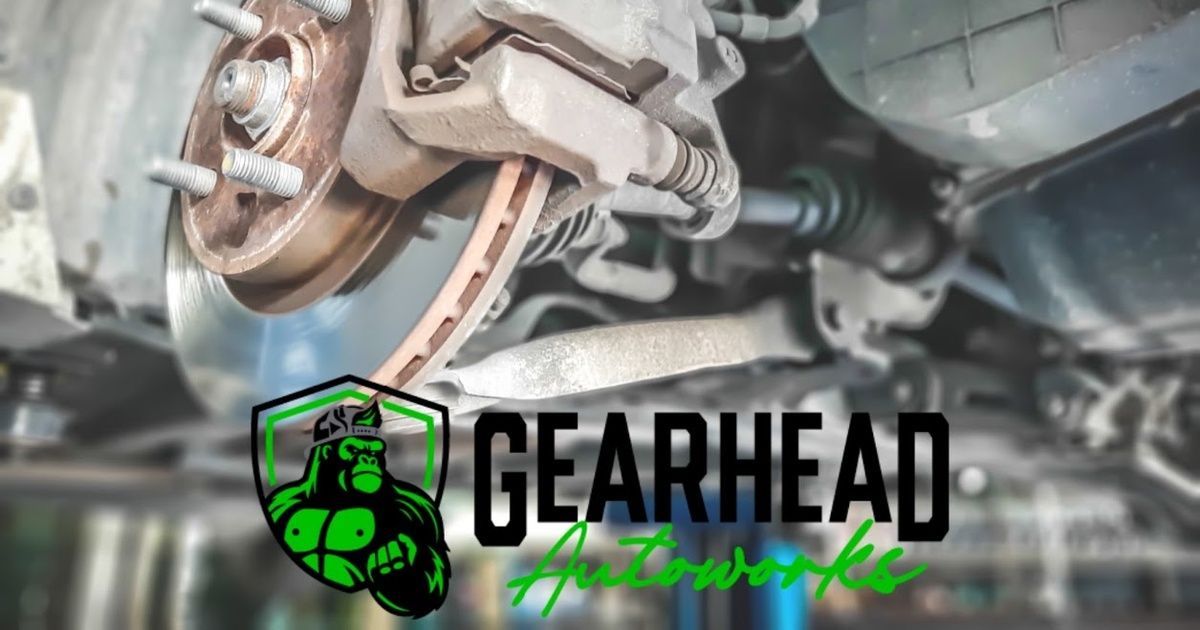
If you can see less than a quarter-inch of brake pad left through the wheel spokes, it’s time to have them replaced.
How Often Should You Replace Brake Pads in Maize, KS?
Because of our mixed driving conditions here in Kansas, we recommend having your brake pads
inspected at least every 10,000 to 12,000 miles, and typically replaced around the
40,000-mile mark, depending on your driving habits.
If you drive frequently in the city, tow loads, or commute daily through varied terrain and weather, your pads may need replacing sooner. On the other hand, light highway driving may allow them to last longer.
At Gearhead Autoworks, we don’t just check pad thickness—we assess the entire brake system for issues that may be developing below the surface.
Benefits of Routine Brake Inspections
Proactive maintenance is always more affordable than reactive repairs. When you bring your car to Gearhead Autoworks in Maize, KS for regular brake checks, you can:
- Avoid rotor damage by replacing pads before they wear completely.
- Maintain optimal safety, especially in unpredictable Kansas weather.
- Prevent costly repairs, like caliper or rotor replacement.
- Improve fuel efficiency, since dragging brakes increase resistance.
- Enhance performance, giving you smoother, more confident stops.
Why Trust Gearhead Autoworks for Brake Service in Maize, KS?
We know Kansas roads because we drive them too. Our team at Gearhead Autoworks is passionate about keeping local drivers safe and informed. We use premium-grade brake pads and parts designed to handle regional driving demands—whether you're maneuvering icy intersections in January or dealing with dust and debris in July.
When you visit us, we’ll give you a detailed brake inspection, explain what we find in plain language, and help you make the best decision for your vehicle and your wallet. No pressure—just expert service, honest advice, and quality care.
Final Thoughts: Stay Ahead of Brake Problems
Brake pad wear may not always be top of mind, but neglecting it can lead to major safety concerns. At Gearhead Autoworks in Maize, KS, we believe informed drivers make safer choices. By understanding how Kansas driving conditions affect your brakes, you’ll know when it’s time to take action and keep your vehicle in top condition.
We’re here to help you every mile of the way.