Professional Suspension Inspection: What Gets Checked And Why
January 30, 2026
Suspension issues can be annoying, but they can also get expensive if they start chewing up tires or making the vehicle feel unstable. The hard part is that many problems begin quietly. A faint clunk, a little extra bounce, or a steering wheel that feels slightly less precise can be easy to dismiss.
A professional suspension inspection is basically a structured way to answer one question. Is the vehicle still solid underneath, or is something worn enough to affect safety, tire wear, or control?
When you know what gets checked, the process feels a lot less mysterious.
What A Suspension Inspection Is Trying To Confirm
Your suspension has two main jobs. It keeps the tires planted on the road, and it keeps the vehicle stable and predictable as you brake, turn, and hit bumps. A good inspection checks both parts of that equation.
It is not only about whether a part is broken. It is also about looseness, wear patterns, and small problems that are likely to get worse soon. Catching a worn bushing before it tears apart, for example, can prevent an alignment problem and premature tire wear.
A suspension inspection is often the step that protects the next set of tires.
How A Professional Inspection Is Different From A Quick Look
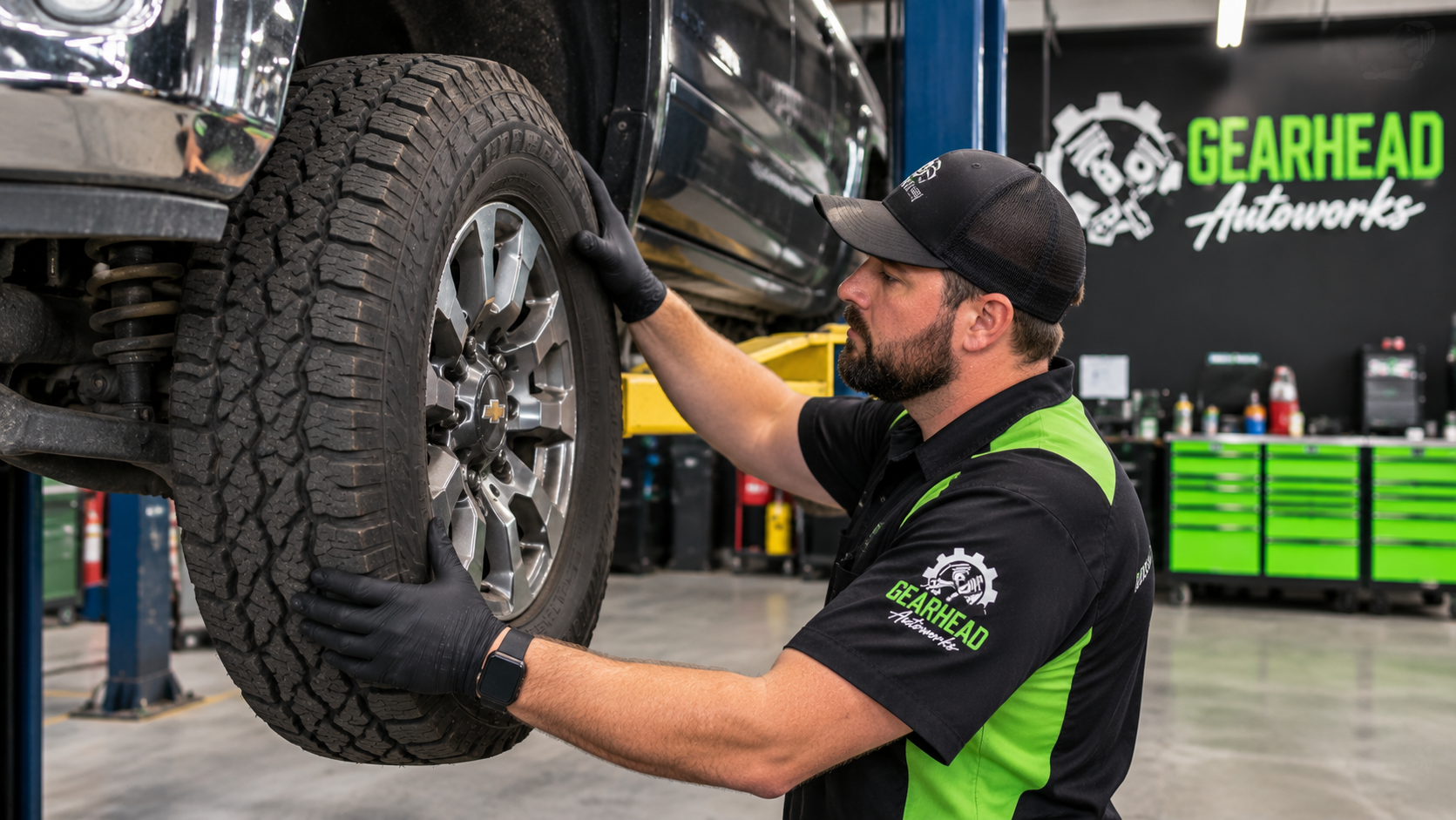
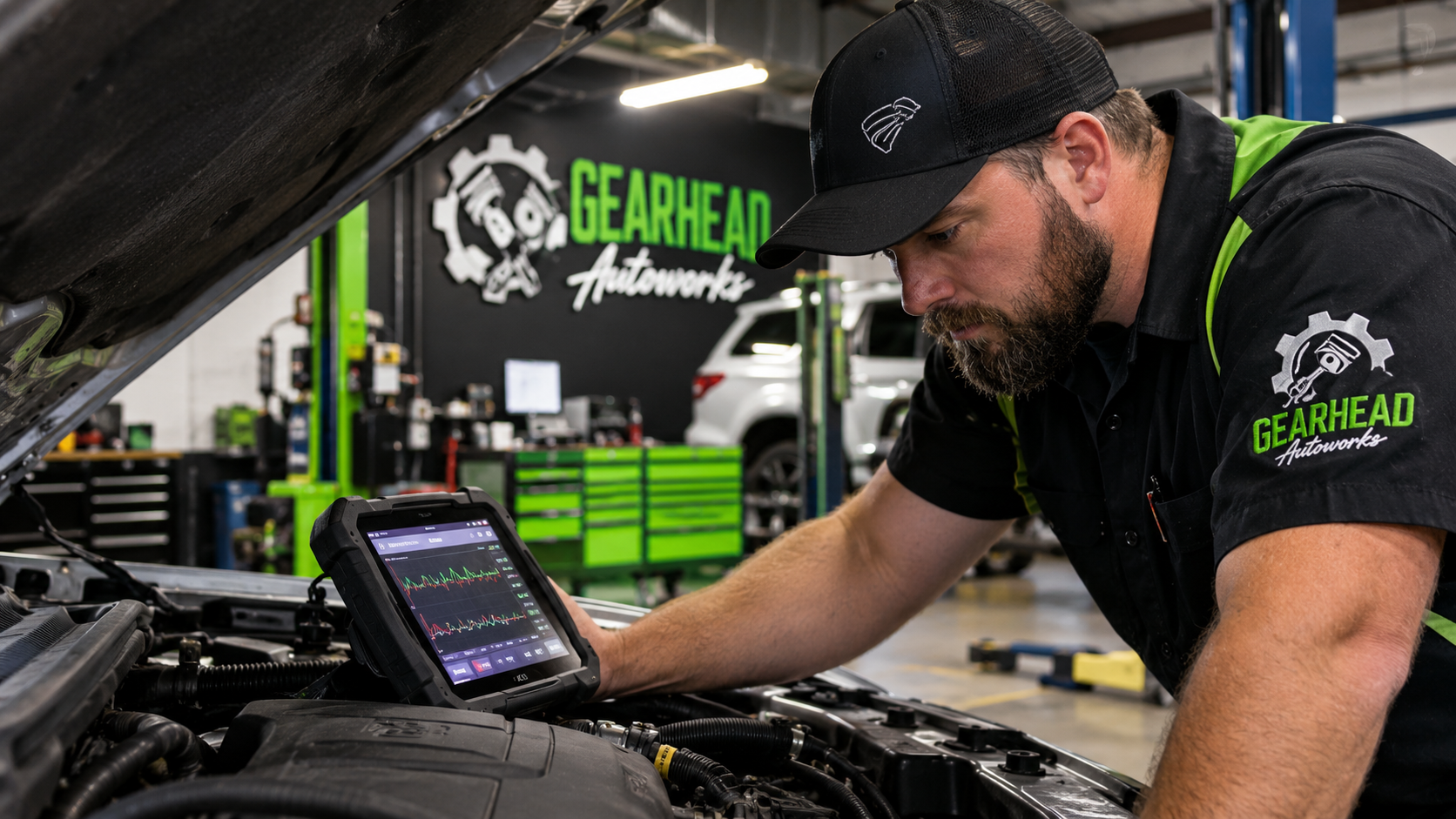
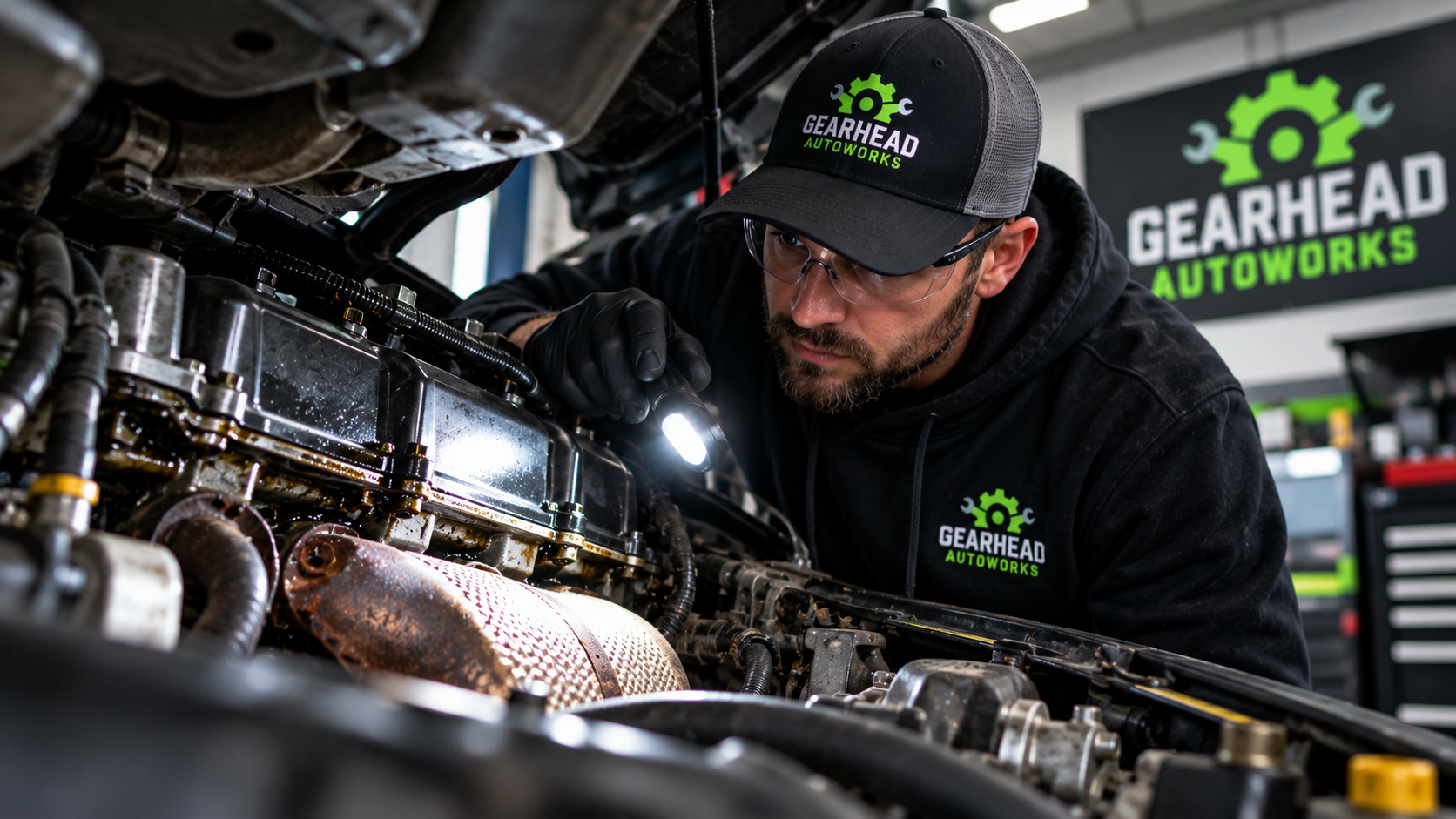
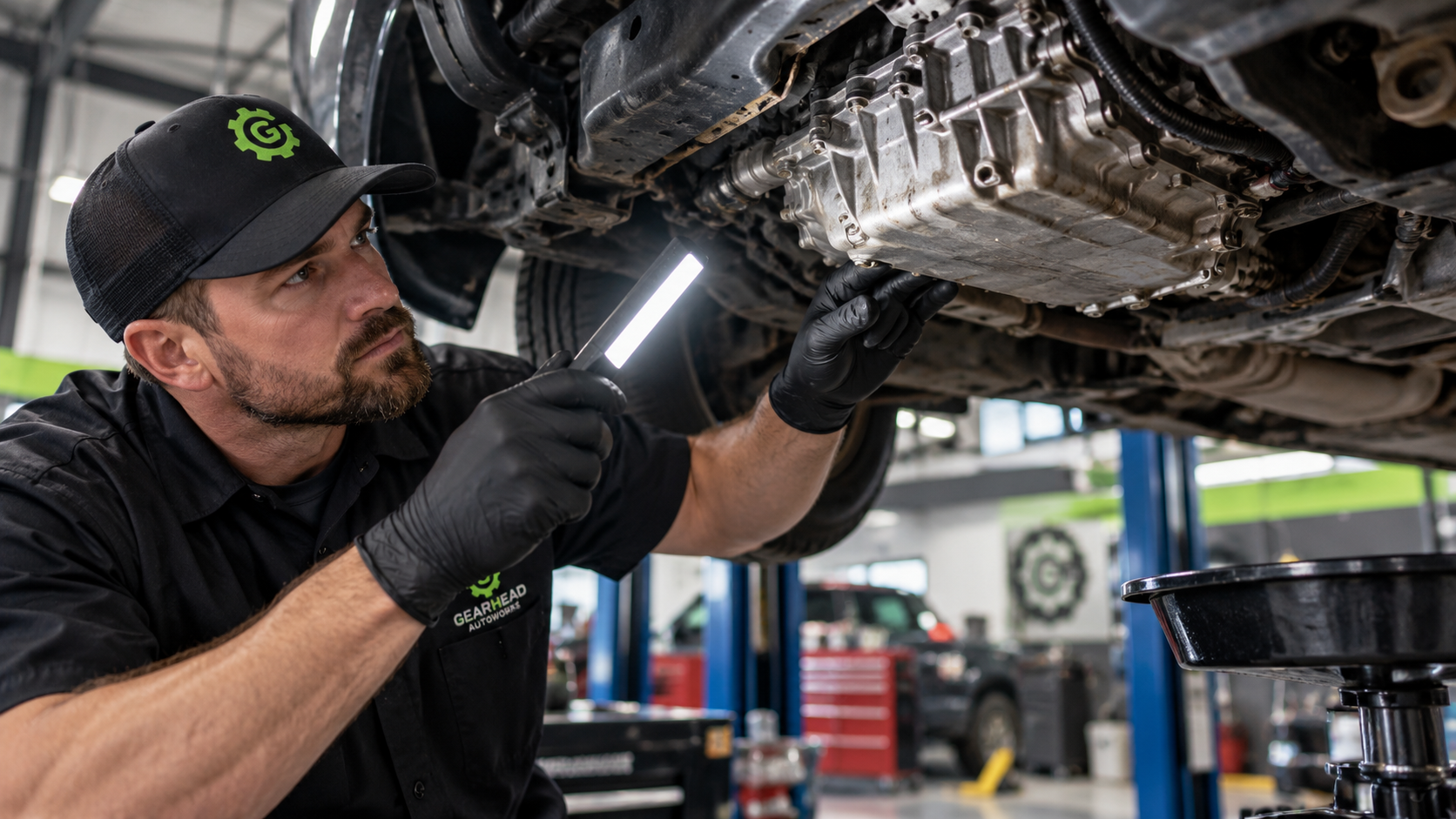
A quick look might spot a torn boot or a leaking shock, but it can miss play that only shows up when the wheel is loaded a certain way. A professional inspection usually involves lifting the vehicle, checking movement at the wheels, and inspecting parts under load.
It also includes listening to the customer’s description and matching it to what is found. A clunk on turns points one direction. A bounce after bumps points to another. Those details help keep the inspection focused and practical.
Steering Components That Get Checked
Steering and suspension overlap. If steering parts are worn, the vehicle can wander, pull, or feel vague even if the suspension seems fine. That is why steering checks are a big part of the process.
Typical steering items checked include tie rod ends, inner tie rods, steering rack boots, and mounting points. The technician is looking for play, looseness, and any damage that could cause the wheels to change direction slightly without you moving the steering wheel.
Loose steering parts can also create uneven tire wear, which is why they matter even if the car still feels drivable.
Suspension Joints, Bushings, And Mounts
This is the heart of most suspension inspections. Bushings cushion and control movement, and joints allow controlled rotation without slop. Over time, bushings can crack and soften, and joints can develop play.
Here are common suspension items that get checked closely:
- Ball joints for looseness and boot condition
- Control arm bushings for cracking, tearing, or separation
- Sway bar links and sway bar bushings for play and noise potential
- Strut mounts and shock mounts for wear and shifting
- Springs for damage, sagging, or broken coils
The inspection is not just “is it worn,” it is “is it worn enough to affect how the vehicle drives or how the tires wear.”
Shocks And Struts: Control, Not Just Comfort
Shocks and struts control body motion. When they are weak, the vehicle may bounce more after bumps, feel floaty, or lean more in turns. That extra movement can reduce traction and make the vehicle feel less predictable.
A technician will check for fluid leaks, damaged housings, and signs of poor damping. They will also look at tire wear patterns, such as cupping, which often occurs when the tire bounces instead of staying planted. Even if a shock is not visibly leaking, it can still be weak.
Ride quality complaints often trace back here, especially if the vehicle has higher mileage.
Wheel Bearings And Hubs
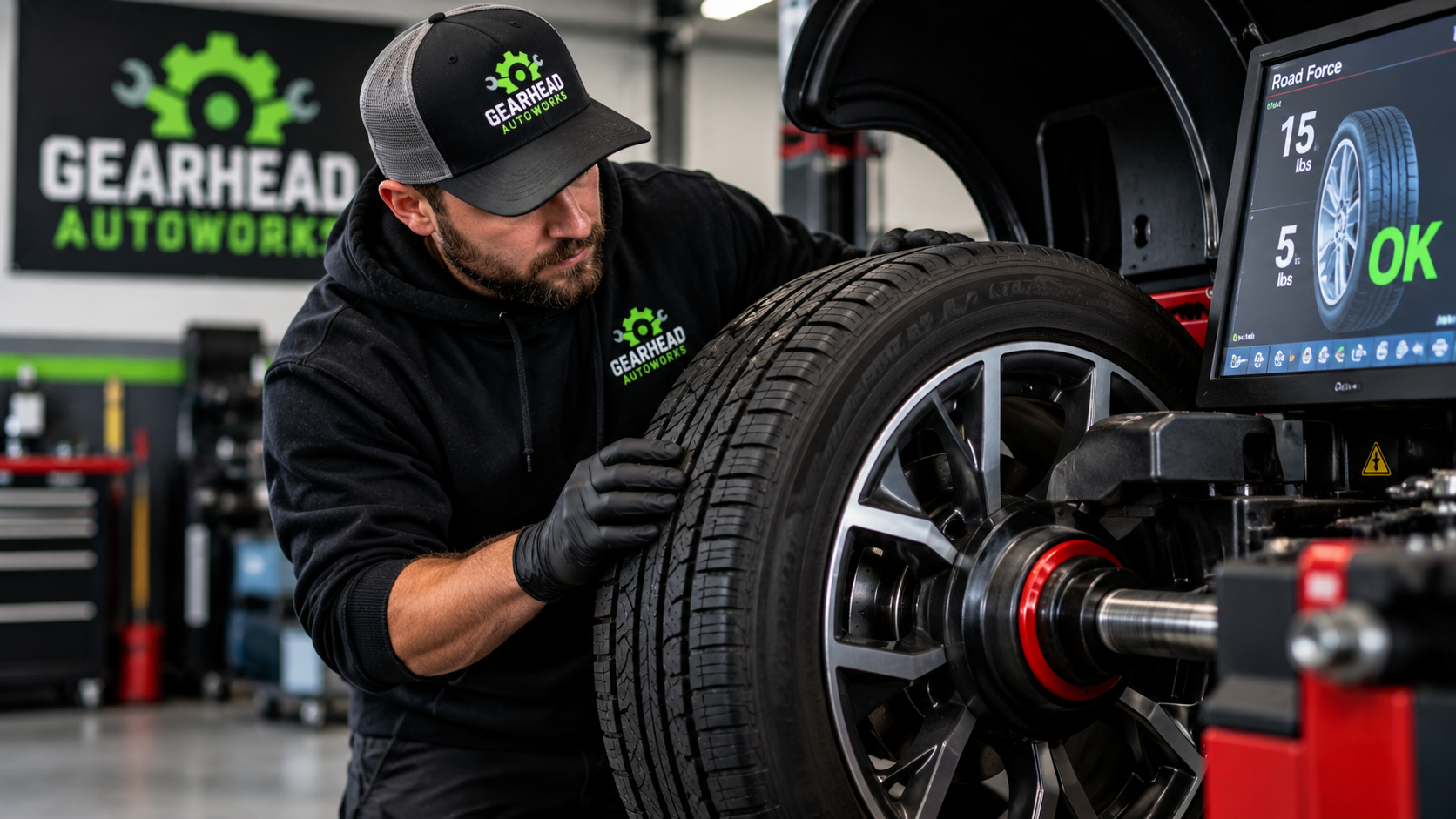
Wheel bearings are not always thought of as “suspension,” but they matter because they control how the wheel spins and stays aligned. A worn bearing can create noise, vibration, and even allow slight movement that affects wear.
A professional inspection checks for play at the wheel and listens for roughness. Bearings can get louder in turns, which is a common clue. If a bearing is failing, it can also heat up more than the other wheels after a drive.
Catching a bearing early can prevent more damage and keep the vehicle safe.
What The Inspection Results Usually Mean For Your Next Steps
After the inspection, the next step should be a clear plan. If parts are loose or worn, the plan usually prioritizes safety and tire protection first. A worn ball joint or loose tie rod is typically handled sooner. A cracked bushing that is still holding may be something you plan for, depending on how it is affecting alignment and noise.
If parts are replaced, alignment often follows. That is because suspension parts set wheel angles, and new parts can change how the vehicle sits and tracks. This is also where cost-smart planning comes in, since it can be more efficient to handle related parts in the same area together.
A good inspection gives you options, not pressure.
Get Suspension Inspection in Maize, KS with Gearhead Autoworks
We can inspect your suspension and steering components, explain what we find in plain language, and help you prioritize what will improve ride, handling, and tire life the most. We’ll also outline what needs attention now versus what may be reasonable to schedule soon.
Call or schedule an appointment today.
We’re here to help you keep your vehicle stable, safe, and comfortable on the road.