Why Is My Car Overheating? 7 Problems That Can Cause It
Kyle Koerner
September 30, 2026
Seeing the temperature gauge climb or an overheating warning appear on the dash is something you don’t want to ignore. An overheating engine can turn a relatively manageable cooling-system problem into major engine damage surprisingly quickly.
The tricky part is that overheating isn’t a diagnosis—it’s a symptom.
A thermostat can cause an engine to overheat, but so can a coolant leak, failed cooling fan, restricted radiator, water pump problem, or even combustion gases entering the cooling system. Replacing the first part that seems likely can get expensive without actually fixing the problem.
Here are seven common causes of engine overheating and what they can tell us about what’s happening.
1. Low Coolant or a Coolant Leak
Your vehicle’s cooling system relies on the correct amount of coolant to carry heat away from the engine. If coolant escapes, the system may no longer be able to control engine temperature properly.
Leaks can come from several places, including:
- Radiator or heater hoses
- Radiator
- Water pump
- Thermostat housing
- Coolant reservoir or expansion tank
- Heater core
- Gaskets, seals and plastic cooling-system fittings
Not every coolant leak leaves an obvious puddle in the driveway. Some leaks occur only when the system is hot and pressurized, while others can evaporate on hot engine components before reaching the ground.
That's why simply topping off low coolant doesn't necessarily solve the problem. The important question is where the coolant went.
2. A Thermostat That Isn't Working Properly
The thermostat controls coolant flow between the engine and radiator as the engine reaches operating temperature.
If it sticks closed or doesn't open properly, coolant circulation can be restricted and engine temperature can rise rapidly.
A thermostat is relatively inexpensive compared with many engine repairs, which can make it tempting to replace one based on symptoms alone. But several other cooling-system failures can produce similar symptoms.
Testing first helps avoid replacing a thermostat only to discover the actual problem is somewhere else.
3. Water Pump Problems
The water pump circulates coolant throughout the engine and cooling system.
Depending on the vehicle, a failing water pump may leak externally, develop bearing problems, lose pumping efficiency, or suffer an internal impeller failure.
Some vehicles also use electronically controlled or electric water pumps, adding another layer of diagnostic possibilities.
A water pump problem isn't always visible from the outside, which makes proper cooling-system testing especially important.
4. Cooling Fans Aren't Turning On
At highway speeds, airflow through the radiator helps remove heat from the coolant. When you're sitting at a stoplight or moving slowly through traffic, the cooling fans become much more important.
That creates a classic symptom:
The vehicle runs at a normal temperature while driving but begins overheating while stopped or idling.
The fan itself isn't necessarily the culprit. Depending on the vehicle, the problem could involve:
- Fan motors
- Relays
- Fuses
- Wiring
- Temperature sensors
- Fan-control modules
- Computer commands
Modern cooling fans can be computer controlled and variable speed, so diagnosis can require more than checking whether a fan spins when power is applied.
5. A Restricted or Inefficient Radiator
The radiator's job is to transfer heat from the coolant into the surrounding air.
Internal restrictions can reduce coolant flow, while external debris or damaged fins can reduce airflow through the radiator. Age, contamination and previous cooling-system problems can also affect radiator performance.
Instead of assuming a radiator needs replacement because the vehicle overheats, testing temperatures and cooling-system operation can help determine whether the radiator is actually failing to remove heat effectively.
6. The Cooling System Can't Maintain Proper Pressure
Cooling systems are designed to operate under pressure, which raises the coolant's boiling point and helps the system manage engine temperature.
A weak pressure cap, damaged reservoir, leaking hose connection or another pressure loss can allow coolant to boil at a lower temperature or escape from the system.
This is one reason a vehicle can have an overheating problem even when there isn't an obvious failed major component.
Pressure testing the system can help expose leaks that aren't apparent when the engine is cold.
7. Combustion Gases Are Entering the Cooling System
This is one of the possibilities nobody wants to hear—but it also shouldn't be assumed simply because an engine overheated.
A failed head gasket, cracked cylinder head or another internal engine problem can allow combustion pressure into the cooling system.
Possible symptoms can include:
- Repeated coolant loss with no obvious external leak
- Cooling-system pressure building unusually quickly
- Coolant being pushed from the reservoir
- Persistent overheating
- Bubbles or abnormal activity in the expansion tank
- White exhaust smoke in some cases
There are tests that can help determine whether combustion gases are entering the cooling system.
An overheating engine does not automatically mean it has a blown head gasket. Proper testing matters before reaching that conclusion.
What Should You Do If Your Car Starts Overheating?
If the temperature gauge enters the hot range or the vehicle displays an overheating warning, continuing to drive can turn the original failure into a much larger repair.
Find a safe place to stop and shut the engine off.
Never remove a radiator or coolant-system cap while the system is hot. Hot coolant can remain under significant pressure and cause serious burns.
If the vehicle has severely overheated, lost coolant, is steaming, or immediately overheats again after cooling down, having it transported for diagnosis is generally safer than continuing to drive it.
Diagnosing an Overheating Problem in Wichita
At Gearhead Autoworks, we don't want to guess whether your overheating problem needs a thermostat, water pump, radiator or something else.
The goal is to determine why the engine is overheating first.
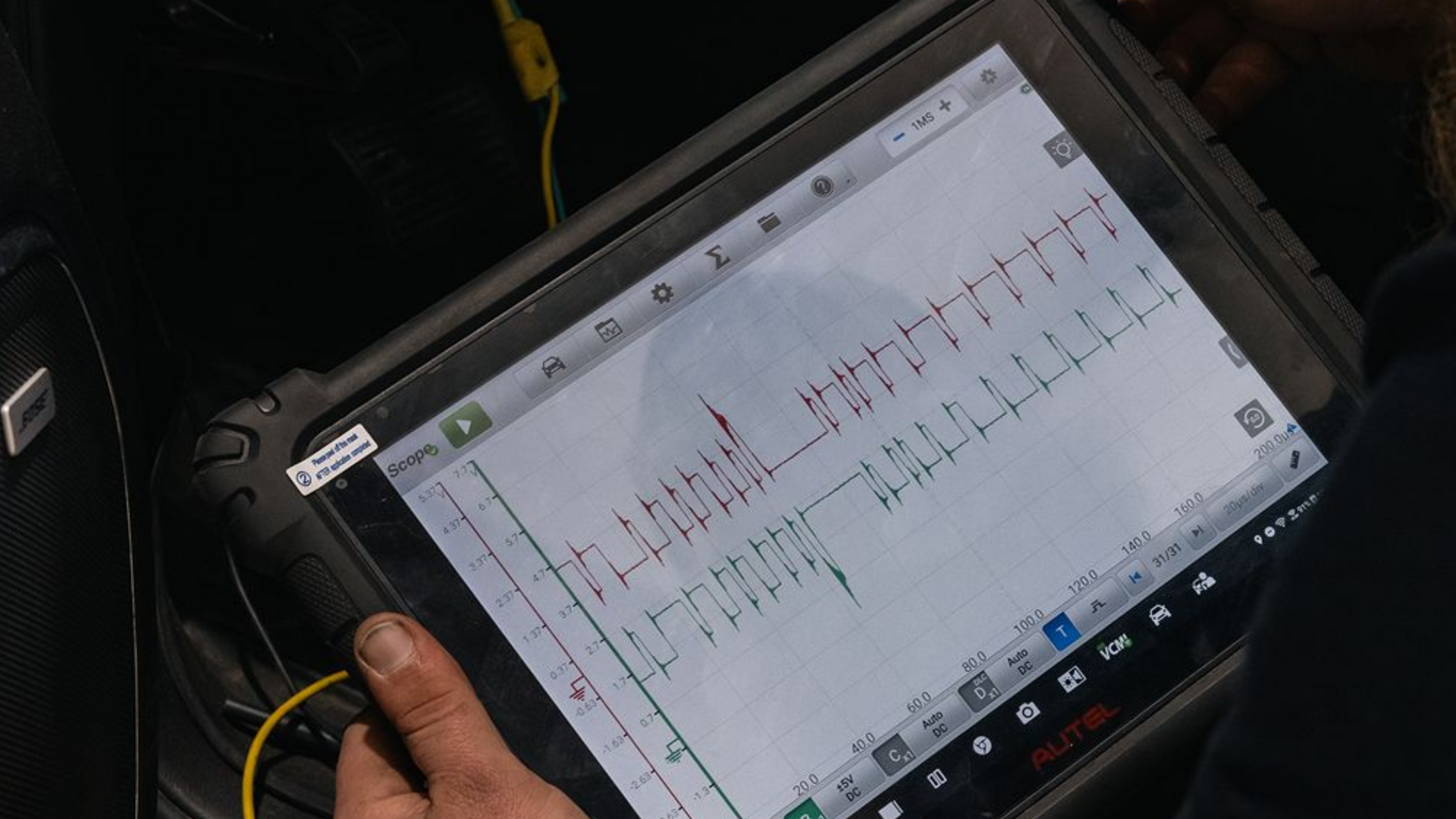
Depending on the symptoms and vehicle, that can involve inspecting for coolant leaks, pressure testing the cooling system, checking fan operation and computer commands, evaluating coolant circulation and temperature differences, and testing for signs of an internal engine problem.
Because replacing parts based solely on symptoms isn't diagnosis.
We find the source. Then we fix it right.
If your vehicle is overheating, losing coolant or running hotter than normal, schedule an appointment with Gearhead Autoworks in Maize, Kansas, serving Wichita and the surrounding area.