Pros and Cons of Auto Start-Stop Engine Feature
April 30, 2026
If you have purchased a vehicle in the last several years, you have probably experienced that slightly unnerving moment when you pull up to a red light and your engine simply goes silent. For a split second, your heart might skip a beat as you wonder if you just stalled out in the middle of traffic. Then the light turns green, you lift your foot off the brake, and the engine hums back to life before you can even reach for the gas pedal. This is the auto start-stop feature in action.
As a repair shop that sees everything, we get asked about this feature more than almost anything else. Some drivers love the idea of saving fuel while sitting in a drive-thru, while others find the constant shuddering of the engine to be incredibly annoying. From a mechanical perspective, there are legitimate benefits and some real trade-offs that you should understand to keep your car running smoothly for the long haul.
The Clear Advantages of Start-Stop Technology
The primary reason manufacturers include this system is to help the environment and your wallet. When your car is idling at a long stoplight or stuck in a massive traffic jam, it is getting zero miles per gallon. By shutting down the internal combustion process during these idle periods, the car reduces its overall carbon footprint and stretches your fuel tank just a little bit further.
Fuel Savings in the City: While you might not notice a huge difference on a highway road trip, the savings add up if you spend your life in urban traffic. Most studies suggest you can save between three and eight percent on fuel costs over a year of city driving.
Reduced Emissions: Every second your engine is off is a second it is not pumping exhaust into the atmosphere. This is a big win for air quality in congested areas.
Quiet Cabin Experience: There is a certain peacefulness to sitting in total silence at a busy intersection. It makes it much easier to hold a conversation or enjoy your favorite podcast without the background hum of the engine.
The Potential Downsides for Your Hardware
While the environmental benefits are great, as mechanics, we have to look at the physical strain this puts on your car. Your vehicle was designed to handle these extra cycles, but that does not mean they come without a cost.
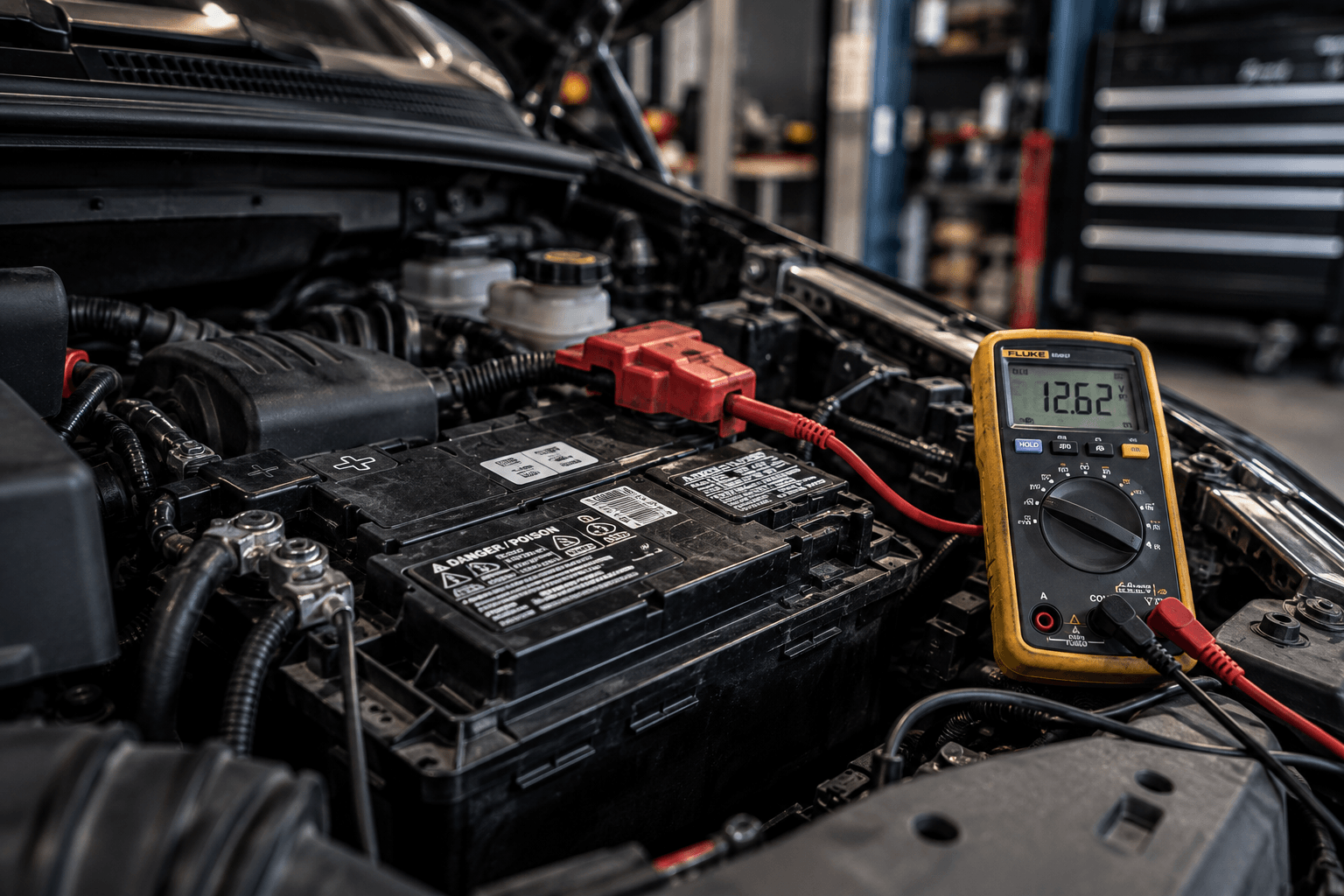
A traditional car might start its engine two or three thousand times a year. A car with an active start-stop system might do that same amount of work in a single month. To handle this, engineers have to beef up the starter motor and the battery. If you own one of these vehicles, you cannot just buy a cheap battery from a big box store when the old one dies. You almost always require an Absorbent Glass Mat or Enhanced Flooded Battery. These are significantly more expensive than standard batteries because they are built to handle the constant deep cycling required to restart the engine dozens of times per trip.
Furthermore, there is the issue of wear and tear on the engine bearings. Most engine wear happens during the startup process when oil pressure is at its lowest. Modern start-stop engines use specialized coatings on the bearings to mitigate this, but it still represents a higher level of mechanical activity than a car that just stays running.
Common Driver Frustrations
Beyond the mechanics, there is the human element. Many people find the slight delay in acceleration to be frustrating when they are trying to merge into a tight gap in traffic. There is also the issue of the air conditioning. In many cars, when the engine shuts off, the AC compressor stops spinning too. On a scorching summer afternoon, the cabin can get warm very quickly while you wait for a long light to change. Most systems are smart enough to restart the engine if the cabin temperature gets too high, but that sudden kick of the engine can be startling when you are just trying to relax.
Tips for Living with the System
Most cars have a button to disable this feature, usually marked with an A and a circular arrow. If you find yourself in heavy stop and go traffic where the engine is cycling every five seconds, it might be better for your starter and your sanity to turn it off temporarily.
You should also be extra diligent about your oil changes. Since the engine is stopping and starting so often, maintaining high-quality oil with the proper additives is essential for protecting those hard-working bearings. Always use the exact synthetic oil weight recommended by your manufacturer to ensure the fastest possible lubrication during those frequent restarts.
Let Us Keep Your Tech in Top Shape
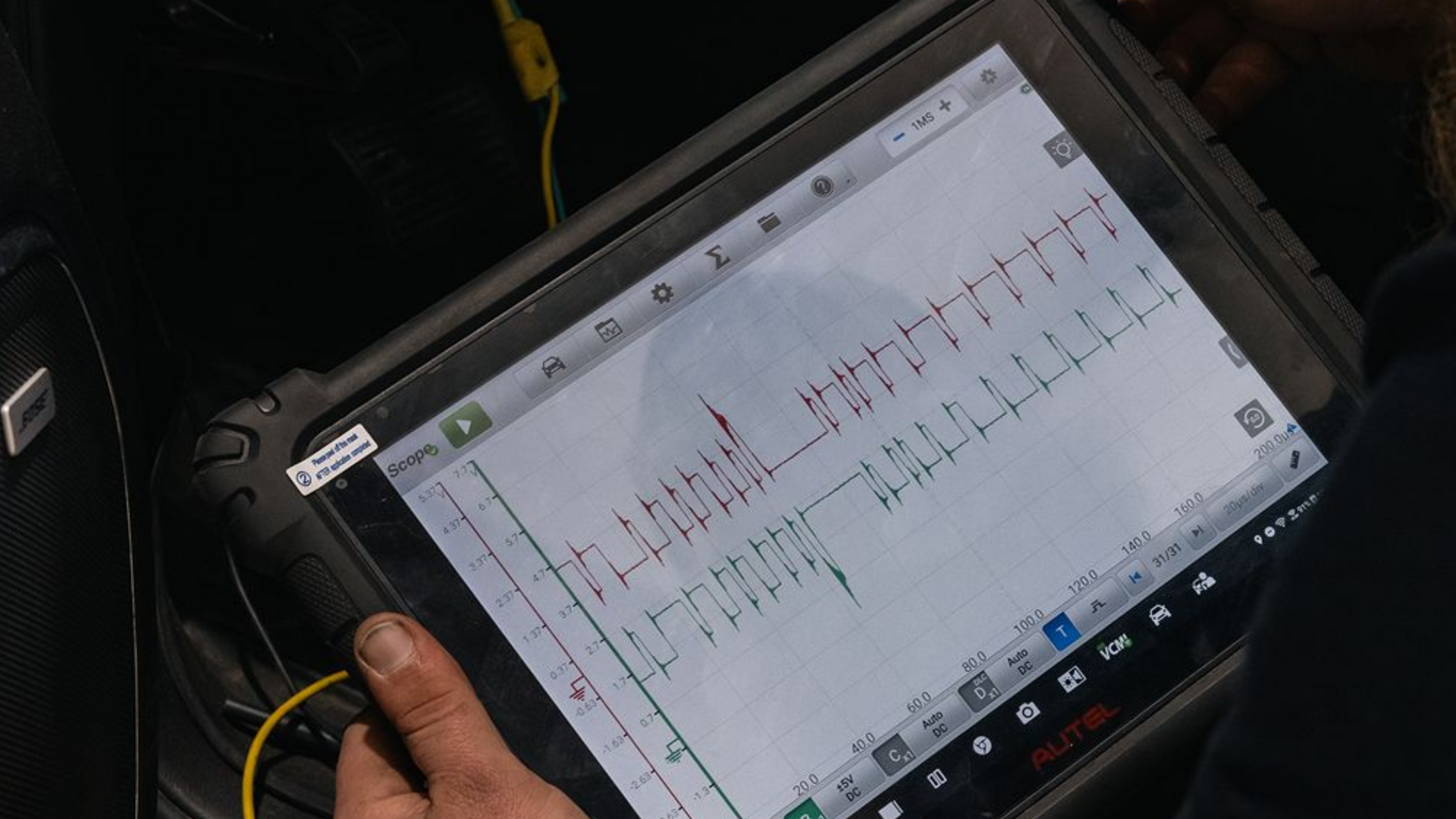
Whether you find the start-stop feature to be a miracle or a nuisance, it is a complex system that needs professional oversight. At our shop, we have the diagnostic tools to test your high-output battery and ensure your starter is performing at its peak.
If you have noticed your engine taking longer to restart or if your dashboard is giving you a warning light, bring your vehicle to the shop today.
Give the team at
Gearhead Autoworks a call or pull into our shop in Maize, KS this week to keep your car running exactly the way it should.